



Dragon timeline


Section : Creatures Nature & Ecological Wisdom
Collection: Lee Kong Chian Natural History Museum, Singapore


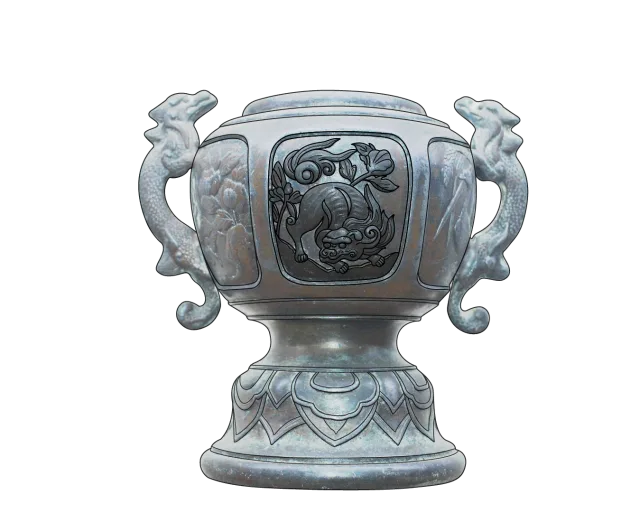
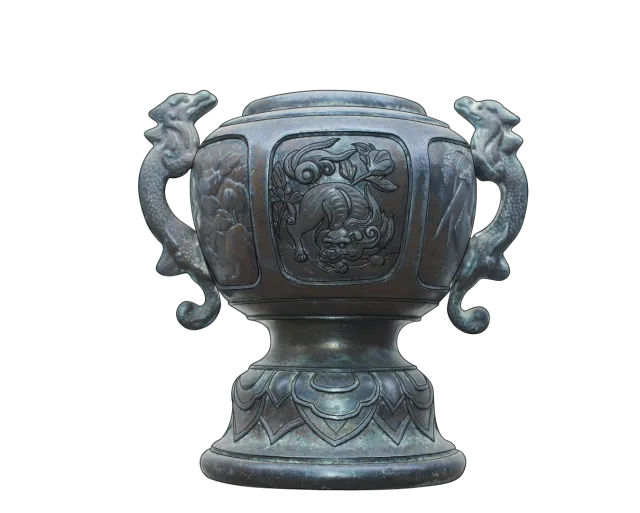
Section : Cosmology Religion & Spirituality
Material: Blackened Cast Brass Alloy (Lo-ha Thong Luang Rom Dam)
Dimensions: Mouth Width 5 cm, Base Width 7 cm, Height 9.8 cm
Collection: Folklore Museum, The Institute for Southern Thai Studies
Other Information / Object Biography: Donated by Phra Athikan Prathom Pathamo, originally from Wat Thai, Village No. 8, Koh Yo Sub-district, Mueang Songkhla District, Songkhla Province. Exhibited in the Metalwork and Metallurgy Culture Room (Hong Watthanatham Phra Khruang Loha lae Lohat), Folklore Museum, Institute of Southern Thai Studies.


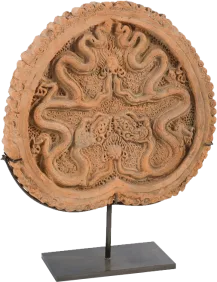
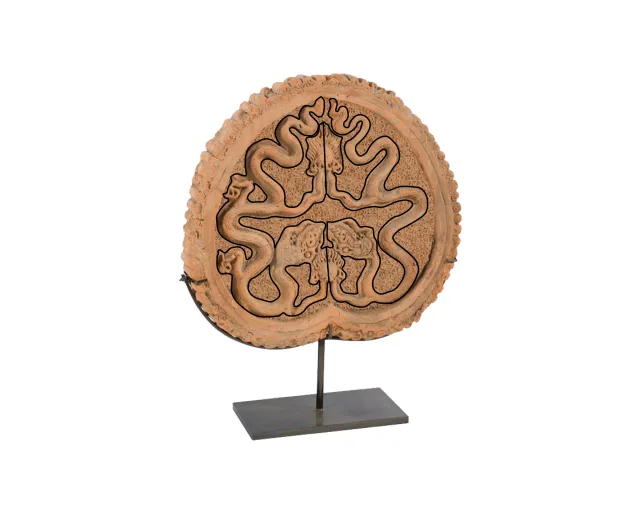
Section : Mythology & Folklore
Period: 11th century (Ly dynasty)
Place of Production / Findspot: Northern Vietnam
Material: Earthenware
Dimensions: 71 x 74 x 13 cm
Collection: Asian Civilisations Museum
Other Information / Object Biography: Accession No. 2014-00577.


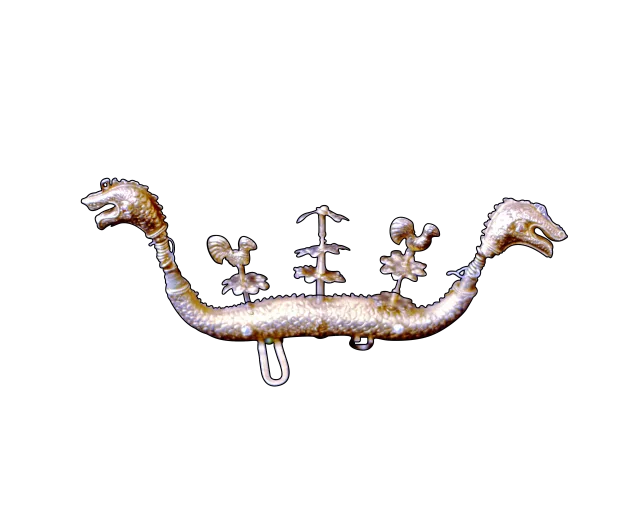
Section : Ceremonies Rituals & Festivals
Period: Late 18th – 19th century
Place of Production / Findspot: Kampong Ayer, Brunei Darussalam
Material: Gold-plated copper
Dimensions: Length 17.5 cm, Height 14 cm
Collection: Malay Technology Museum, Brunei Darussalam


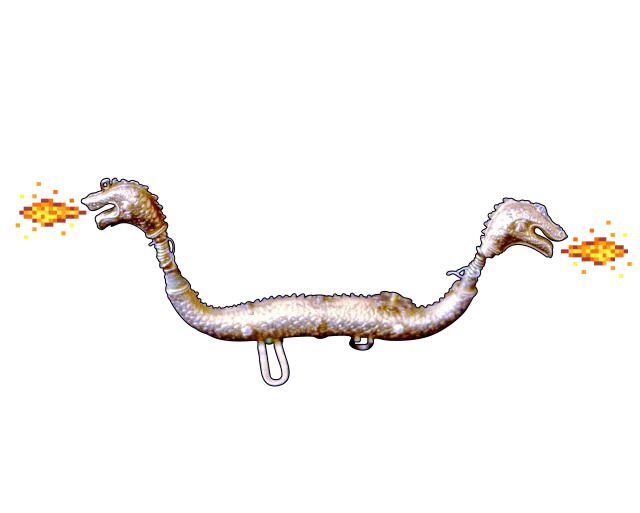
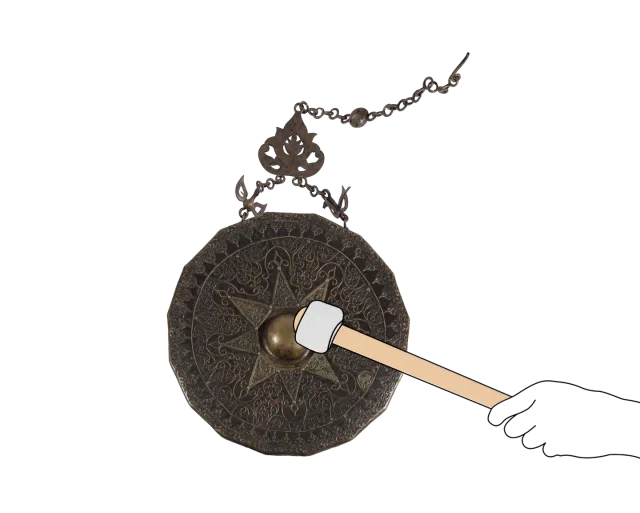
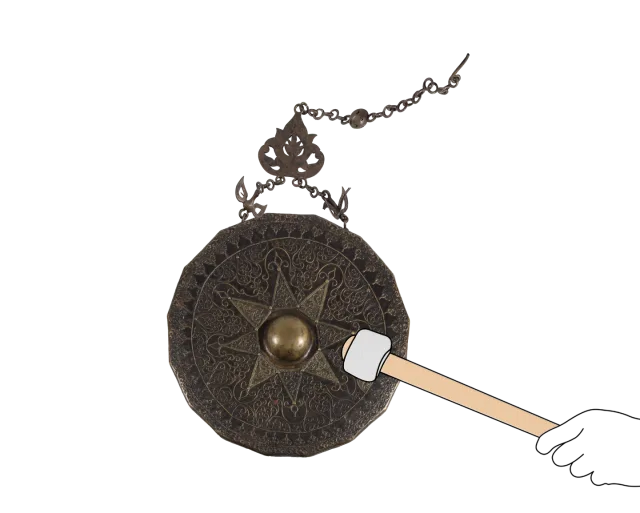
Section : Ruling Diplomacy & Defense
Period: Late 18th – 19th century
Place of Production / Findspot: Kampong Ayer, Brunei Darussalam
Material: Copper / brass
Dimensions: W: 18 cm, H: 10 cm, Chain length: 36 cm
Collection: Malay Technology Museum, Brunei Darussalam


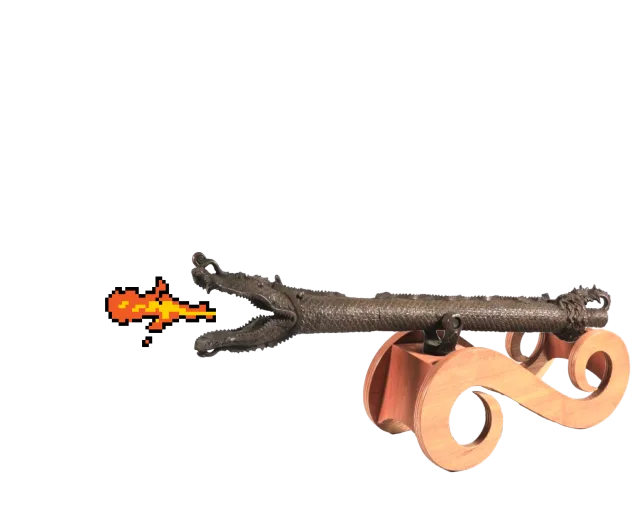
Period: 16th century or earlier
Place of Production / Findspot: Kampong Ayer, Brunei Darussalam
Material: Copper / brass
Dimensions: L: 101.7 cm, H: 17 cm, Weight 23.36 kg.
Collection: Malay Technology Museum, Brunei


Section : Ruling Diplomacy & Defense
Period: Ca. 18th–19th century CE
Place of Production / Findspot: London, United Kingdom
Material: Wood, iron, silver and gold
Dimensions: Length 131 cm
Collection: National Museum Bangkok
Other Information / Object Biography: Received from the Royal Ceremonial Section, Royal Palace.


Section : Ruling Diplomacy & Defense
Period: 20th century AD
Place of Production / Findspot: Vietnam
Material: Wood, mother of pearl
Dimensions: Length 73 cm
Collection: National Museum Bangkok
Other Information / Object Biography: Exhibited at Phra Thinang Phrommetthada (Lower Floor), Phra Wiman Complex, National Museum Bangkok.


Section : Ruling Diplomacy & Defense
Period: Early 1900s
Material: Bronze
Dimensions: Height 78 cm, Width 20 cm, Depth 38 cm
Collection: Baba & Nyonya Heritage Museum
Other Information / Object Biography: Probably purchased in the early 1900s by the late Mr. Chan Cheng Siew for his house, which is now the Baba & Nyonya Heritage Museum. Currently only one set is on display, on the first floor.
Reflection
Centuries of engagement with Chinese traditions gave rise to distinctive dragon traditions in the cultures of many countries in Southeast Asia. In Viet Nam, for instance, origin stories trace the ancestry of the Vietnamese people to the union of dragon Lord Lạc Long Quân and Mountain Fairy Âu Cơ, a lineage that brought together the powers of water and land.
As Chinese merchant networks and diaspora communities carried dragon traditions along maritime routes to places such as Songkhla and Phuket, they encountered an older tradition of a mythical creature already established across Southeast Asia: the Naga. Although the Chinese long and the Southeast Asian Naga emerged from different cultural traditions, both were understood as guardians of water, rulers of rainfall and powerful protective beings.
Rather than replacing one another, these traditions came to be understood together. Communities recognized familiar meanings within new artistic forms, weaving the dragon into existing understandings of the natural and spiritual worlds while allowing older traditions to continue alongside it.
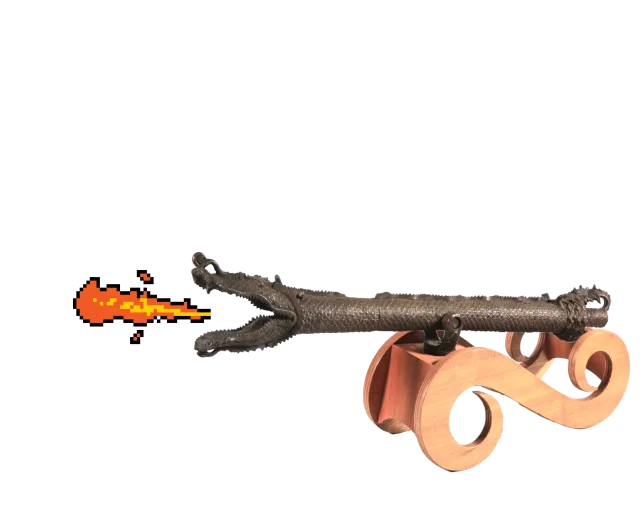
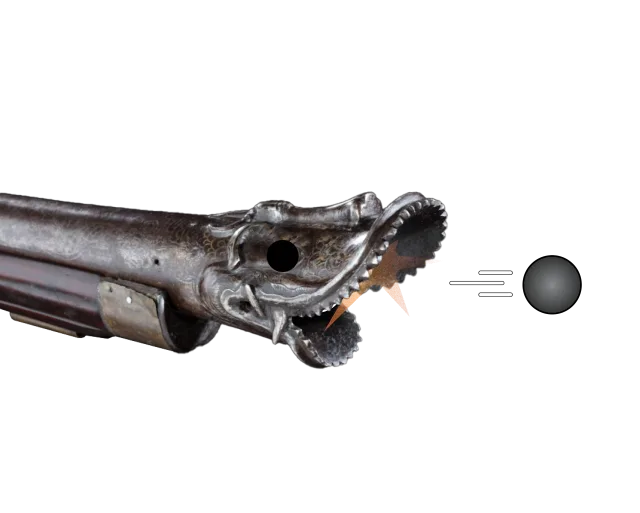
The objects in this trail reveal these shared histories of exchange and reinterpretation. The Chinese-derived dragon motif became part of Malay courtly traditions via a royal court gong – bearing the image of a dragon – that announced the Sultan's decrees. A holy water vessel featuring dragon handles combines Chinese beliefs in the dragon’s protective powers with Theravada Buddhist ritual function. A dragon-shaped cannon incorporated Chinese design elements into Malay decorative art, demonstrating the creature's established association with protective and destructive power across different cultural worlds.
The dragon's enduring presence in Southeast Asia reflects a continuous process of cultural exchange and reinterpretation. Across the region, communities recognized the dragon's association with water, protection and the natural world, adapting it and incorporating it into local beliefs and artistic traditions.


