
Turtle timeline




















Reflection
Turtles have inhabited Southeast Asia’s rivers, lakes, swamps, mangroves and seas for millennia, and communities across the region have long lived alongside them. Through this longstanding connection, the distinctive forms of turtles became woven into material culture, including as spirit-house figures and motifs for objects that combined beauty, utility and protective meaning.
Across Southeast Asia, turtles have long been associated with endurance, longevity, protection and the waters that sustain life. Indigenous traditions regarded them as ancient guardians and symbols of environmental balance. These relationships continued as Hindu, Buddhist and Islamic traditions spread through the region via cultural exchange, driven by trade and migration.
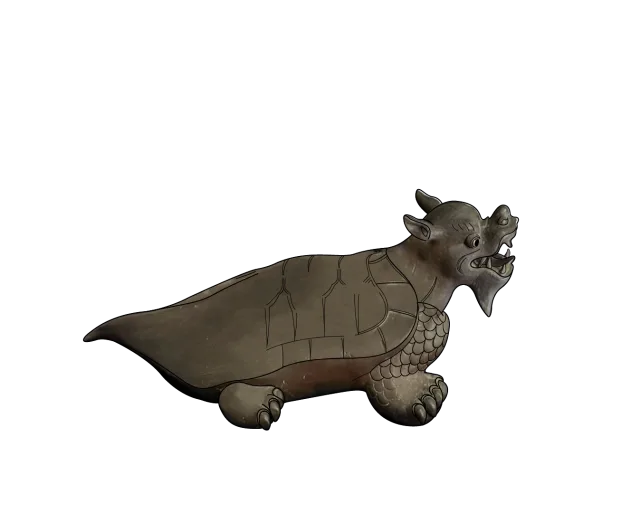
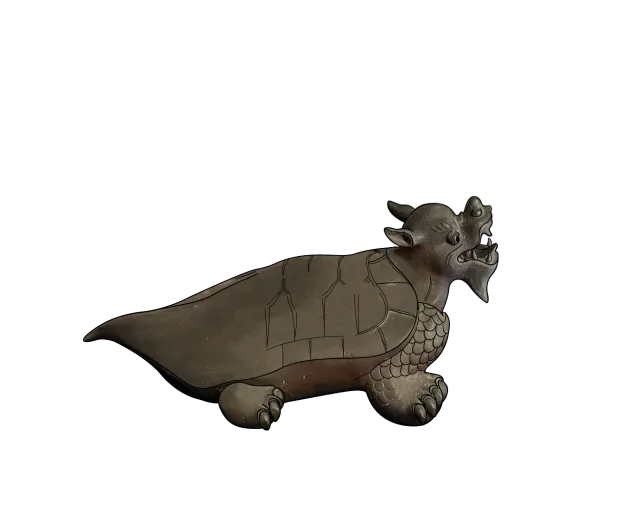
In Hindu tradition, Kurma, the giant turtle and second incarnation of Vishnu, supports the cosmic mountain during the Churning of the Ocean of Milk, making the turtle a symbol of stability and the foundation of the universe. Although turtles are not central figures in Islamic theology, their older associations with longevity, protection and the primordial waters continued through local customs and beliefs.
Across many communities in Southeast Asia, turtles were viewed as creatures that connected different worlds. Living between land and water, they were understood as auspicious in cosmologies in which rivers, seas and wetlands were inhabited by powerful beings.
Ritual practices helped people negotiate uncertain environments, and the symbolism expressed through turtles enabled people to link everyday experience with broader ideas about balance, continuity and the relationship between people and the natural world.
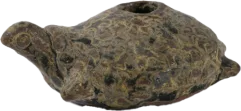
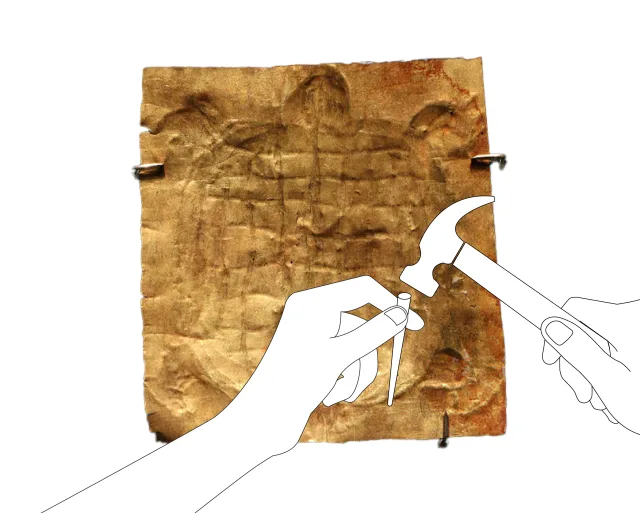
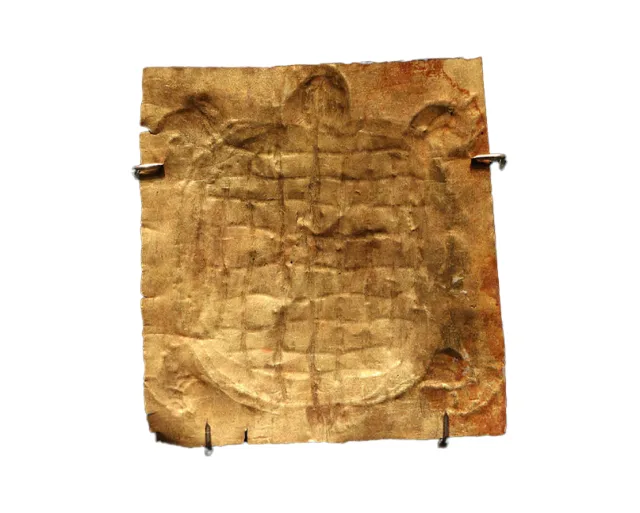
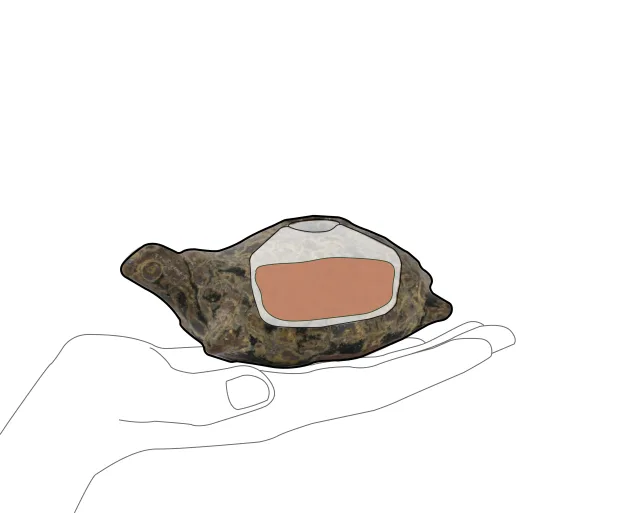
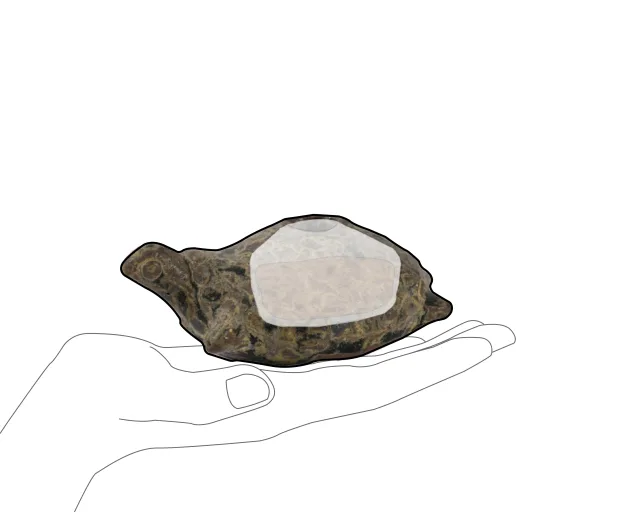
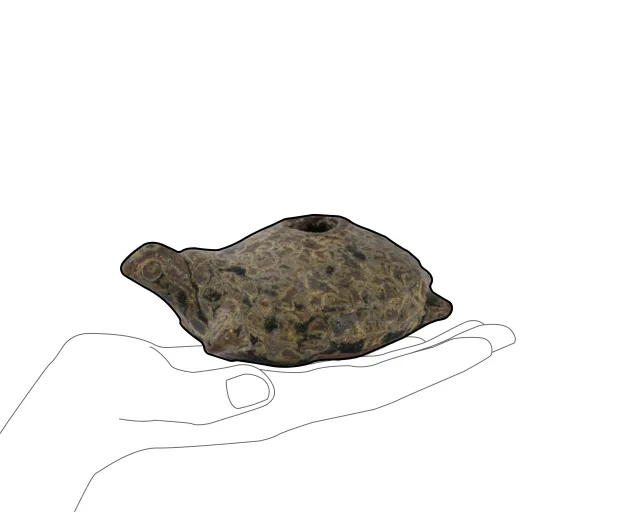
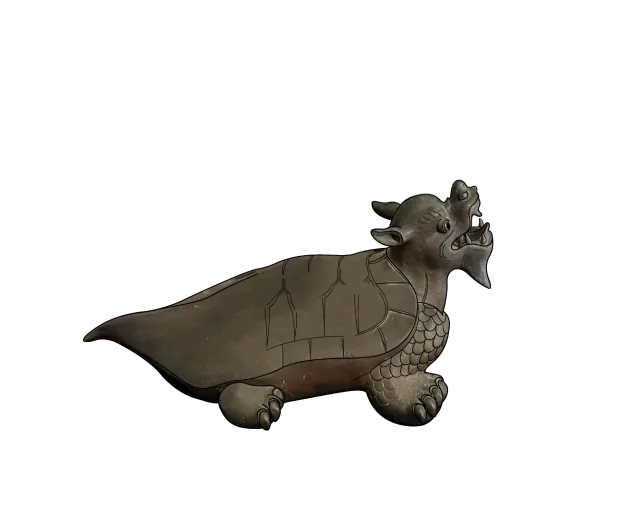
The objects in this trail reveal how communities expressed the meanings associated with turtles in different ways. Gold plaques placed beneath Khmer temples used the turtle to symbolize stability and longevity, while turtle-shaped lime containers celebrated abundance while reinforcing ideas of protection and endurance. In Peranakan homes, brass ornaments depicting tortoises with cranes drew on Chinese cultural symbolism to express wishes for long life, resilience and harmony. Together, these objects show how turtles connect water, communities and cultural traditions across Southeast Asia, as an enduring part of the region’s shared heritage.