Period: 20th-21st century
Place of Production / Findspot: Thailand
Dimensions: Length: 107 cm, Width: 29 cm
Collection: National Museum Bangkok
Specimen / Object Biography: Received from the Ministry of Finance, Thailand.
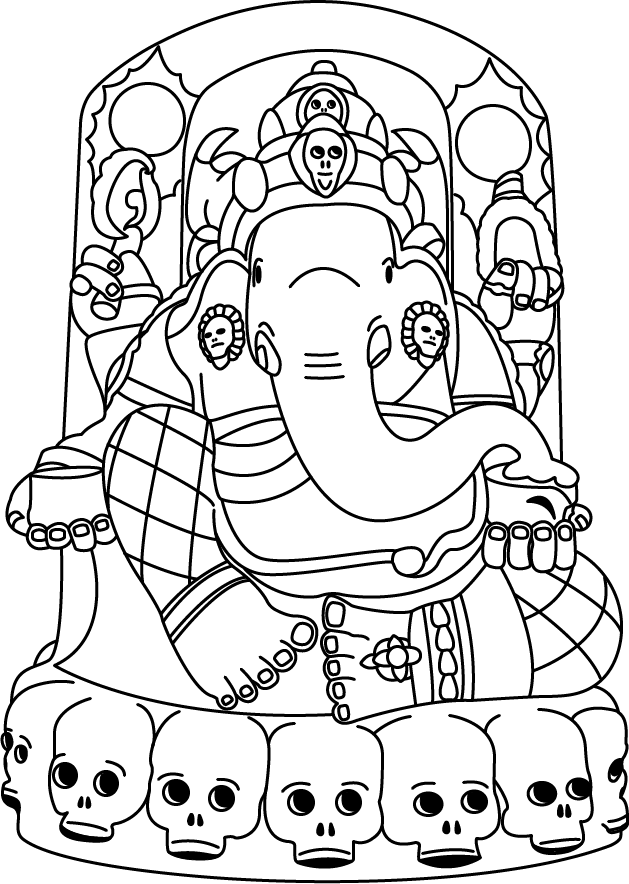

Period: 13th century
Place of Production / Findspot: Singasari Hindu-Buddhist temple complex, East Java, Indonesia
Material: Andesite, Volcanic rock
Dimensions: Height: 154 cm, Length: 105 cm, Width: 72 cm
Collection: Museum Nasional Indonesia
Other Information / Object Biography: This statue was formerly held by the Wereldmuseum Leiden in the Netherlands. It was returned to Indonesia in September 2023


Period:10th–11th century
Place of Production / Findspot :Candi Singhasari, East Java, Indonesia
Material: Andesite,Volcanic rock
Dimensions: Height: 172 cm
Collection:National Museum Bangkok
Specimen/Object biography: The Dutch government in Java presented this to King Chulalongkorn (Rama V) of Thailand during his visit in 1896.

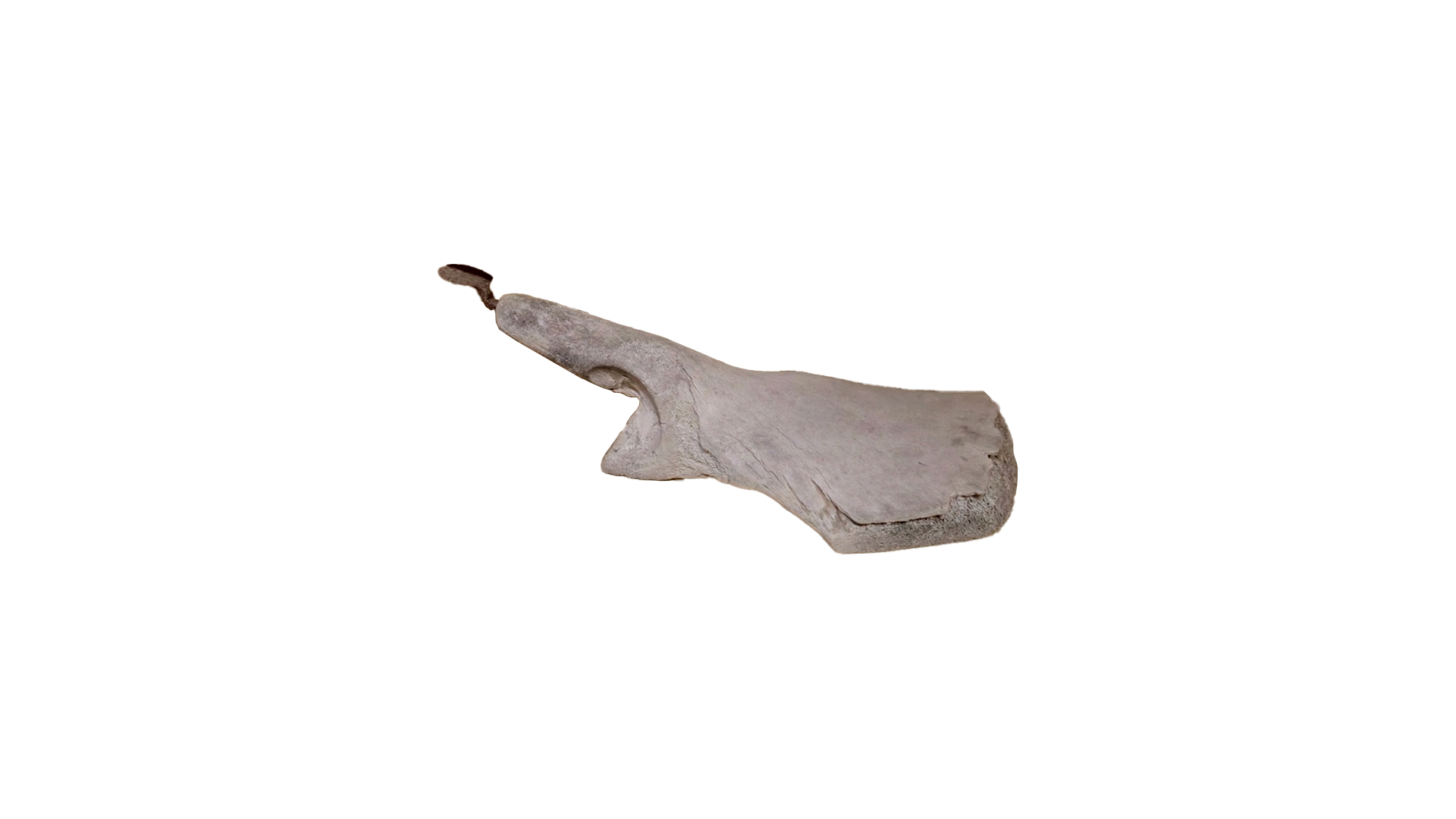
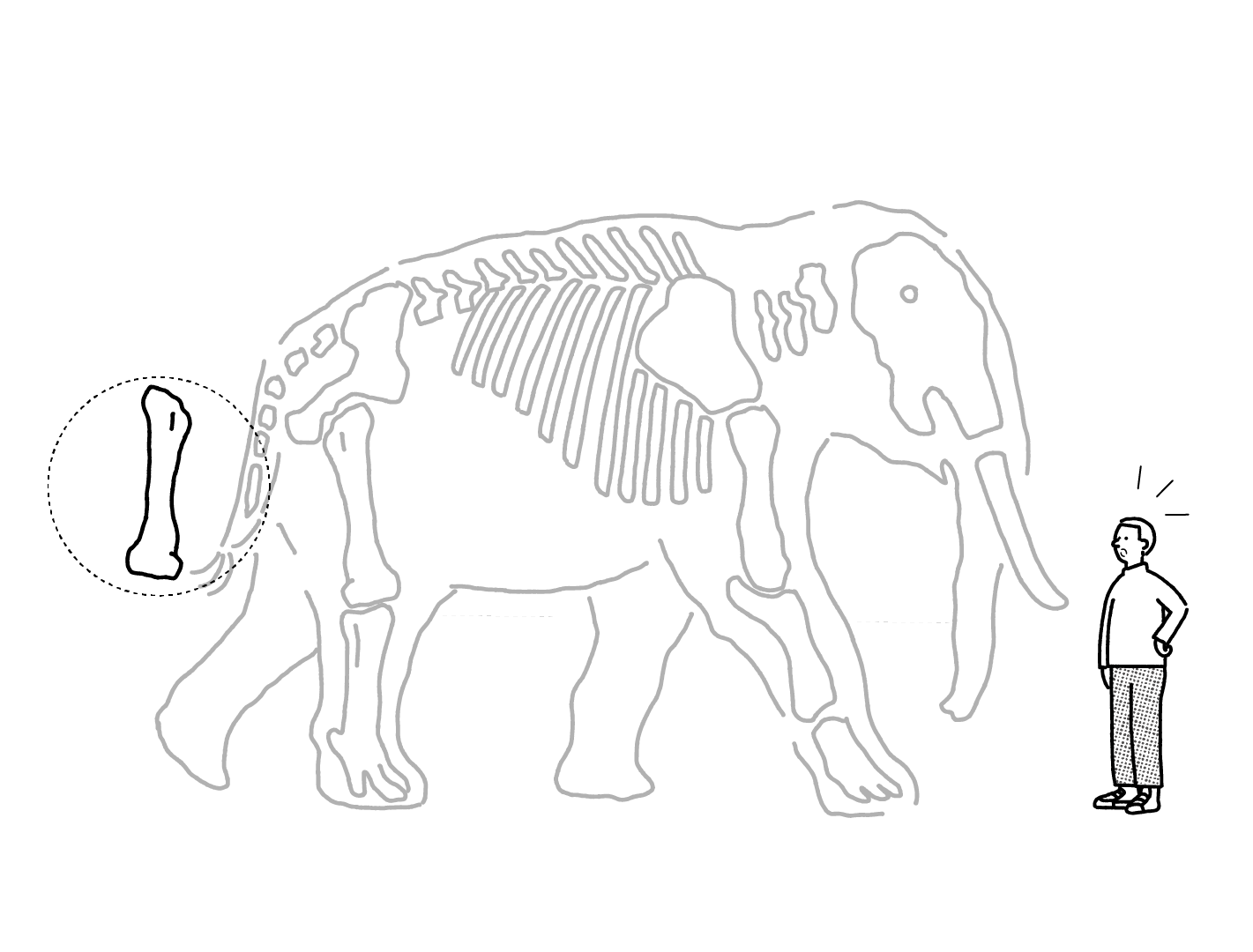
Material: Animal bone (specifically an elephant molar)
Dimensions: Length: 58 cm, Width: 33 cm, Height: 18 cm
Collection: Folklore Museum, The Institute for Southern Thai Studies
Other Information / Object Biography: Contributed by Mrs. Sriya Kongyen, House No. 21, Ranot Sub-district, Ranot District, Songkhla Province. Data recorded on 28 January 1997. Exhibited in the Coconut Grater Room (Kratai Khud Maphrao Room), Folklore Museum, Institute of Southern Thai Studies.

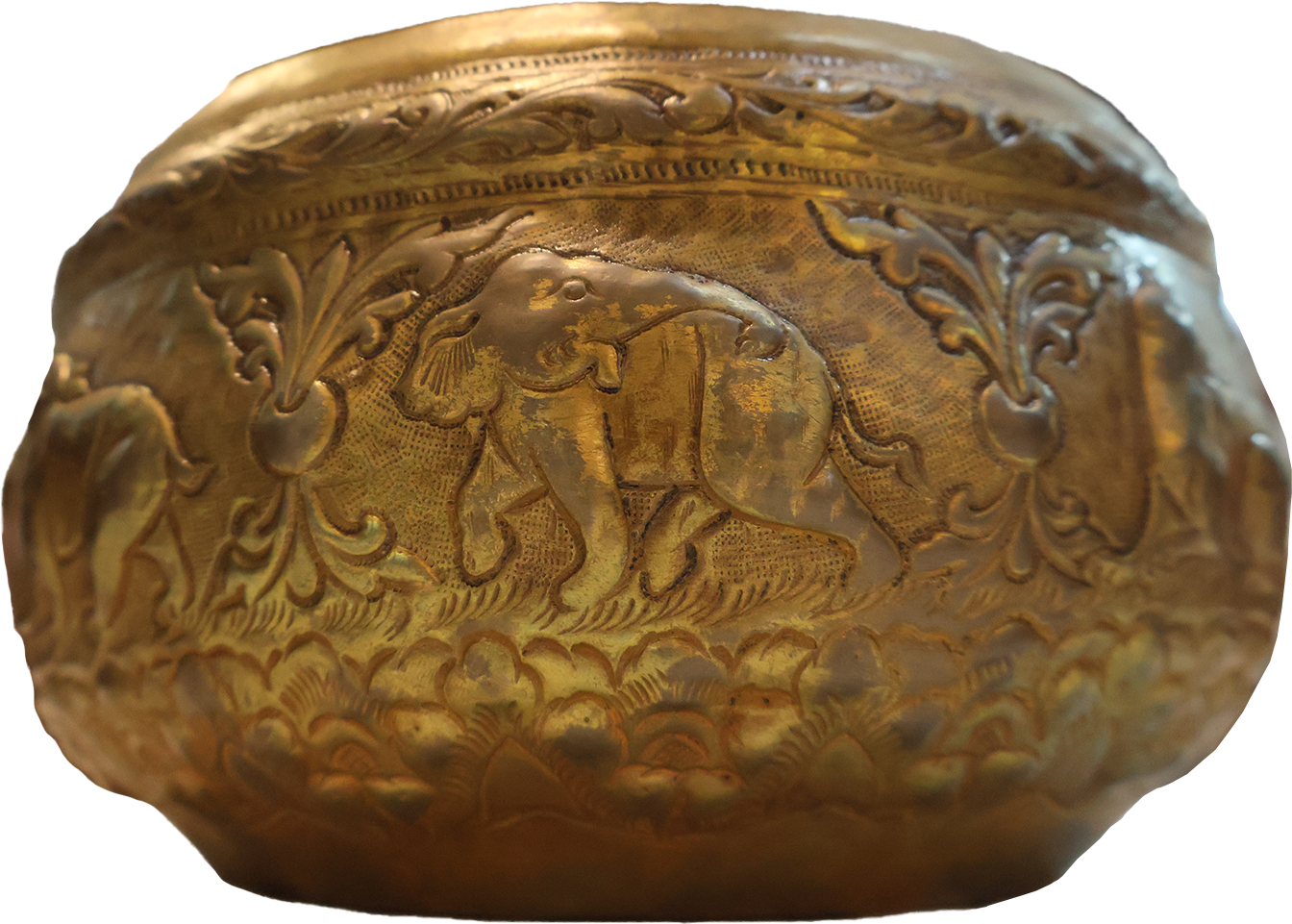
Material: Brass alloy
Dimensions: Rim Diameter: 19 cm, Base Diameter: 11.8 cm, Height: 14 cm
Collection: Folklore Museum, The Institute for Southern Thai Studies
Other Information / Object Biography: Contributed by Mr. Pracha and Mrs. Namthip Chantharadeeying. Exhibited in the Metalwork and Metallurgy Culture Room, Folklore Museum, Institute of Southern Thai Studies.

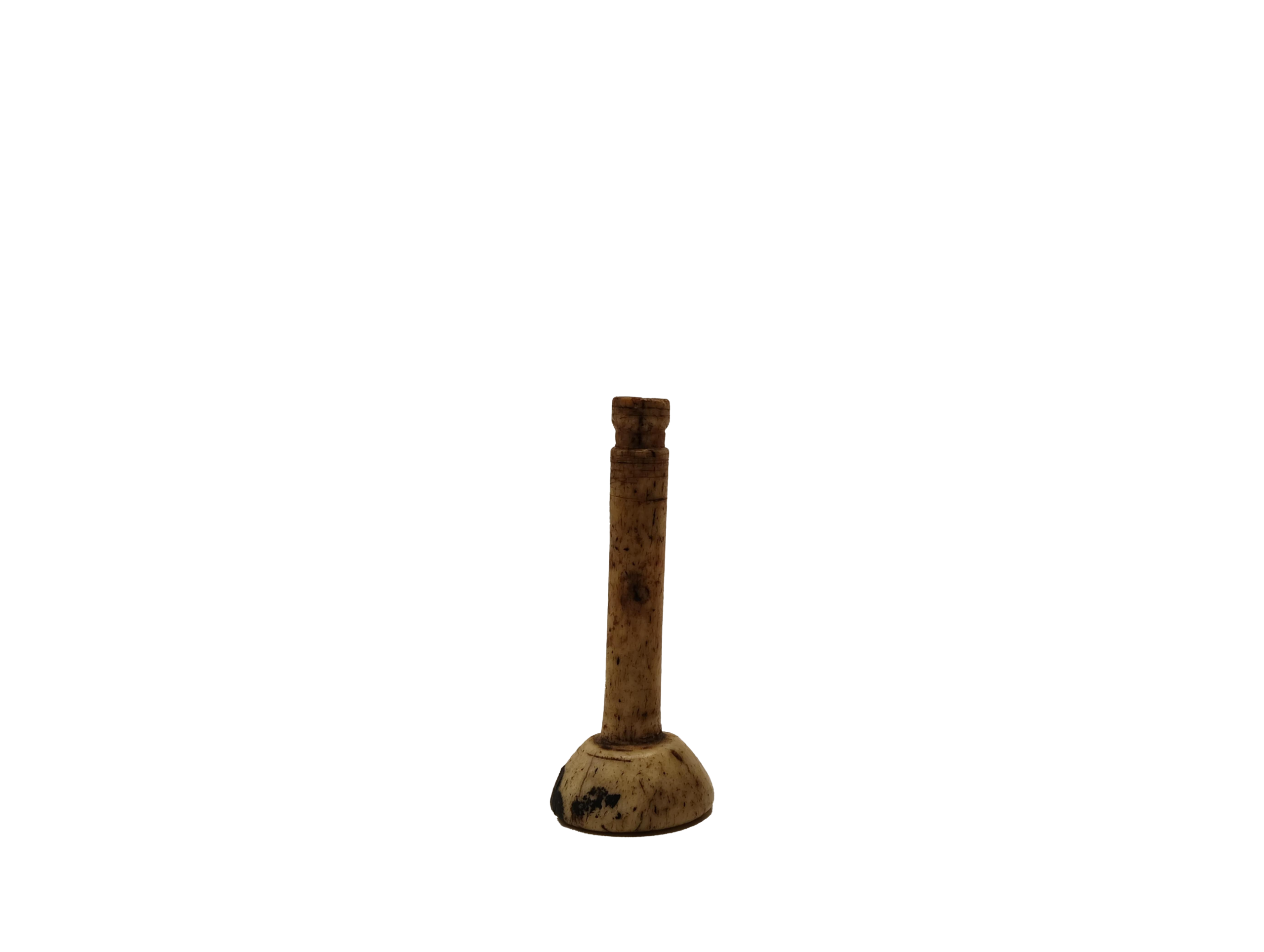
Material: Ivory
Dimensions: Total Dimensions — Diameter 2.1 cm, Height 7.7 cm, Base Diameter 2.2 cm. Cylinder (Female Component / Tua Mia) — Height 6.4 cm, Base Diameter 1.8 cm. Piston (Male Component / Tua Phu) — Height 5.7 cm, Upper Section Diameter 0.8 cm.
Collection: Folklore Museum, The Institute for Southern Thai Studies
Other Information / Object Biography: Stored in the Repository Room of the Folklore Museum, Institute of Southern Thai Studies.

Period: 15th–early 16th century CE
Place of Production / Findspot: Si Satchanalai Kiln Site, Central Thailand
Collection: Brunei Darussalam Maritime Museum
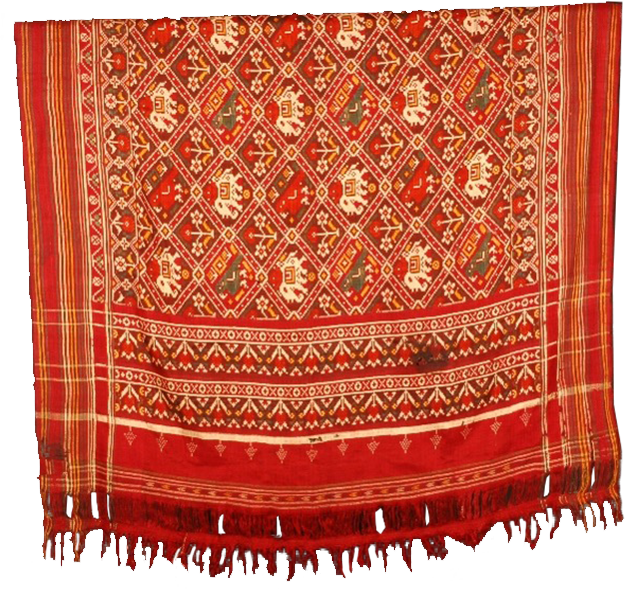
Period: 19th century
Place of Production / Findspot: Gujarat, India
Material: Silk (double ikat weave)
Dimensions: Length 412 cm, Width 140 cm
Collection: Department of Museums Malaysia (Jabatan Muzium Malaysia)


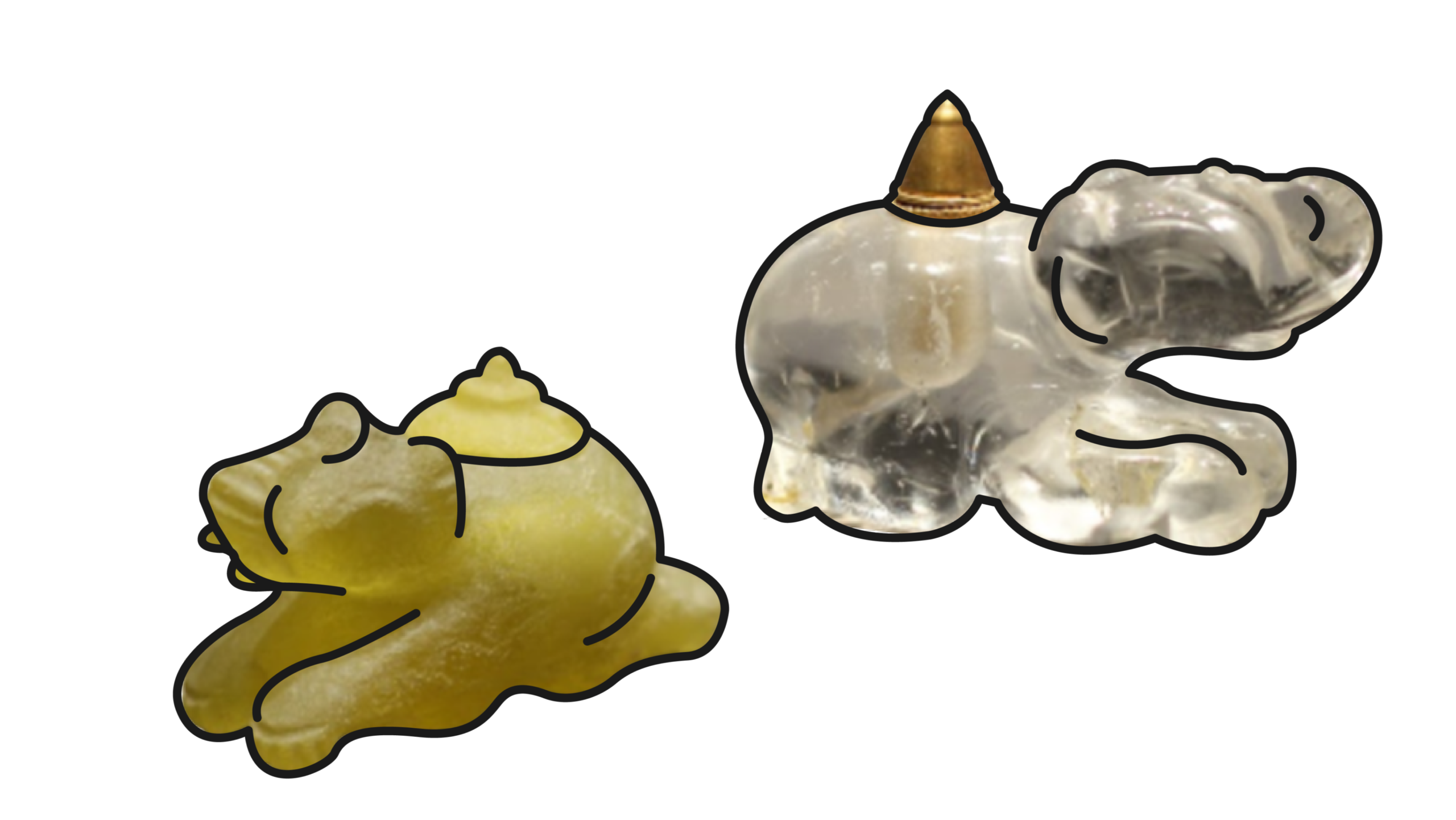
Period: Lanna period, 16th century
Place of Production / Findspot: Wat Chedi Sung, Hod sub-district , Hod district, Chiang Mai province
Material: Quartz, Gold, Stone
Dimensions: Width 1.1 cm, Height 4.5 cm, Length 7 cm
Collection: National Museum Bangkok
Other Information / Object Biography: Acquired from Wat Chedi Sung, Hod sub-district, Hod district, Chiang Mai province, in 1960.

Period: Rattanakosin period, 19th century
Place of Production / Findspot: Thailand
Material: Silver
Dimensions: Width 1.2–1.5 cm
Collection: National Museum Bangkok
Other Information / Object Biography: Received by the National Museum Bangkok from the Ministry of Finance, Thailand.

Material: Animal Ivory/Bone Elements, Blackened Structural Metal Alloy, and Hardened Resin or Ceramic Compound
Dimensions: Diameter 4 cm, Width 7 cm, Length 50.5 cm
Collection: Folklore Museum, The Institute for Southern Thai Studies
Other Information / Object Biography: Sourced from the private collection of Mr. Maitree Sawapanichphan, Residence No. 85 Pimonchai Road, Mueang Yala District, Yala Province. Official museum documentation recorded on 22 February 1995. Exhibited in the History and Ethnology Room (Hong Prawattisat lae Chattiphan), Folklore Museum, Institute of Southern Thai Studies.
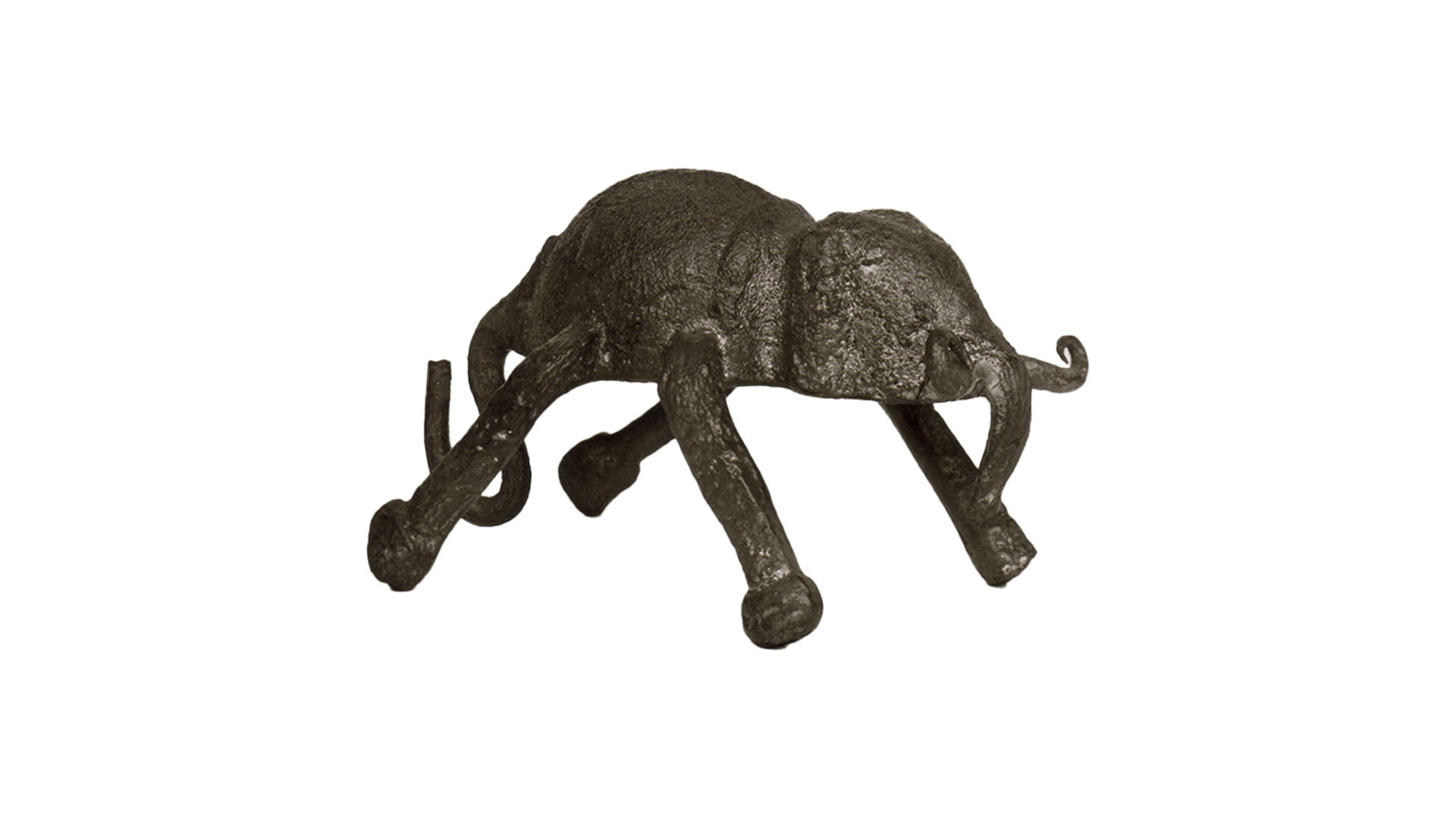
Period: The 16th century
Place of Production / Findspot: Selangor, Malaysia
Material: Tin
Dimensions: Length: 16.5 cm, Width: 10 cm, Height: 8.3 cm,
Weight: 1.105 kg
Collection: Department of Museums Malaysia
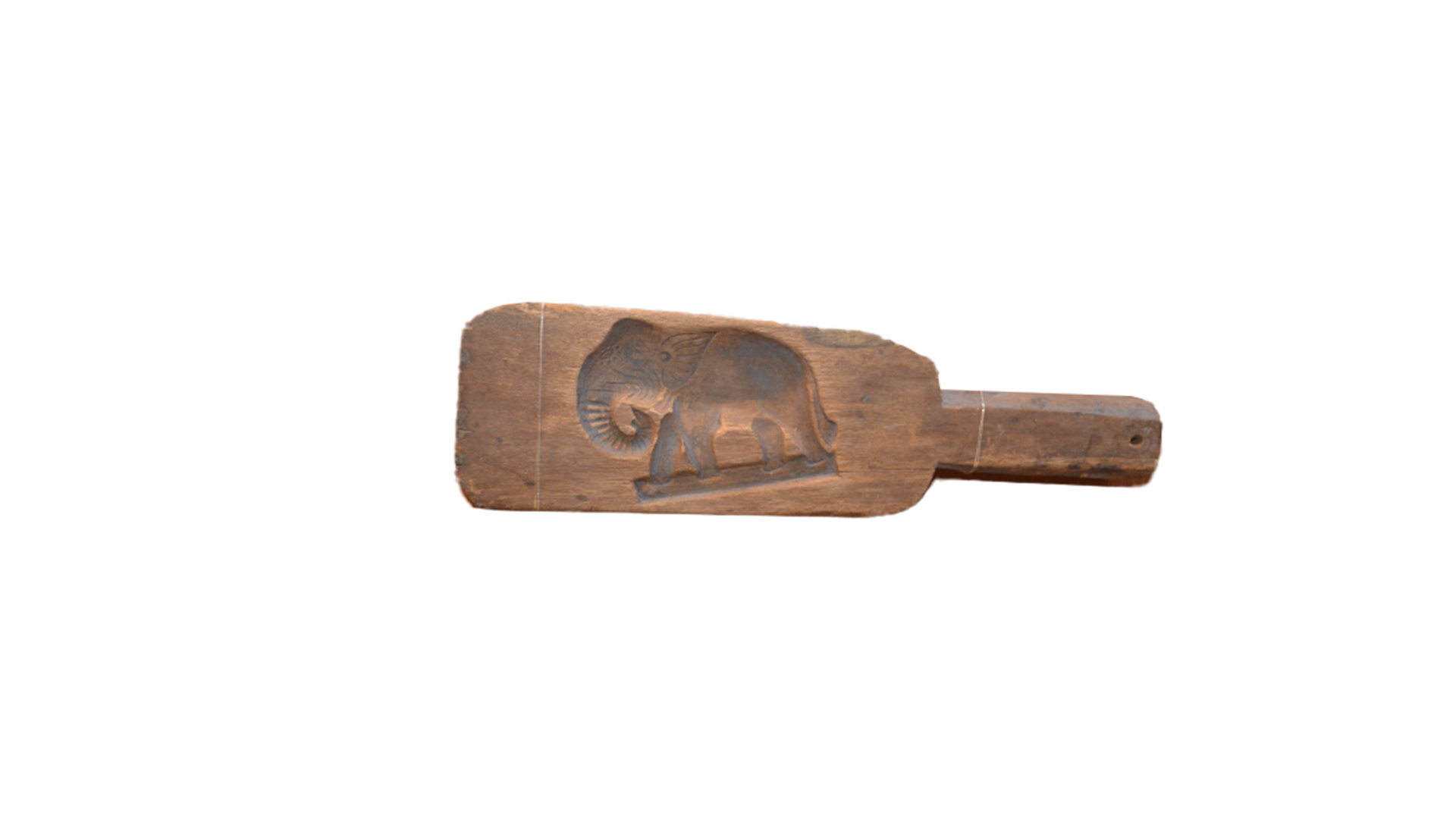
Place of Production / Findspot: Mueang Pattani District, Pattani Province
Material: Hardwood
Dimensions: Carved Wood (Elephant Motif) — Width 7 cm, Length 26 cm, Thickness 2.5 cm. Carved Wood (Horse Motif) — Width 10.5 cm, ] Length 32.5 cm, Thickness 3 cm. Carved Wood (Twin Ducks & Single Chicken Motif) — Width 8.5 cm, Length 32 cm, Thickness 2.5 cm. Carved Wood (Combined Elephant & Horse Motif) — Width 9 cm, Length 35 cm, Thickness 2 cm.
Collection: Folklore Museum, The Institute for Southern Thai Studies
Other Information / Object Biography: Exhibited in the Arts and Crafts Room, Folklore Museum, Institute of Southern Thai Studies.
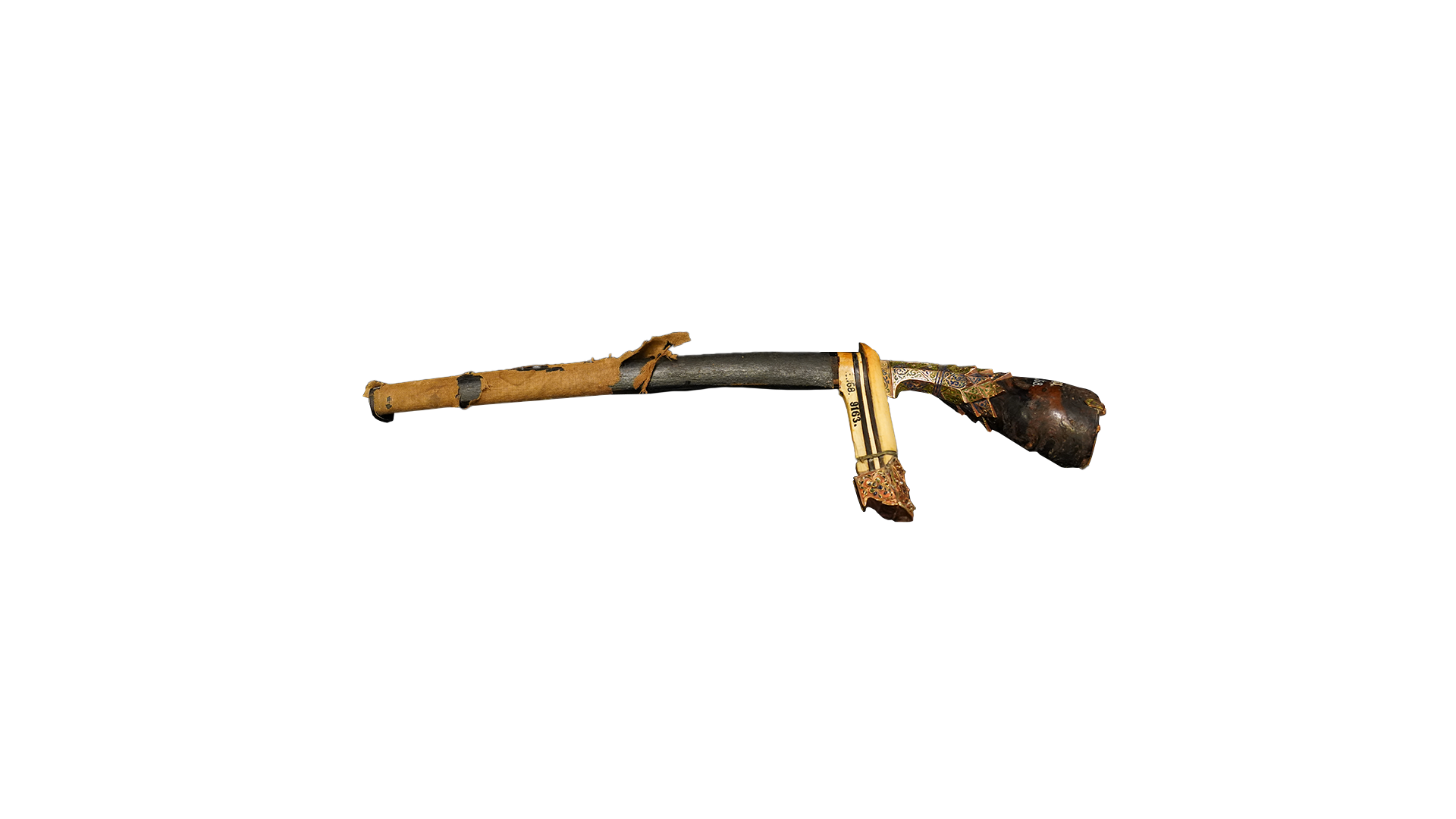
Period: 20th century
Place of Production / Findspot: Aceh
Material: Metal, Ivory, Wood
Collection: Museum Nasional Indonesia

Title: Procession of a King or Noble (Relief from the Life of the Buddha)
Period: c. 780–830 CE (Sailendra period)
Place of Production / Findspot: Borobudur Temple, Magelang Regency, Central Java, Indonesia (First Gallery, Chief Wall, Upper Register)
Material: Andesite stone
Dimensions: In situ architectural relief; individual panel dimensions vary. Between 80–100 cm high
Collection: Borobudur Temple Compounds (UNESCO World Heritage Site), Central Java, Indonesia
Reflection
The objects in this trail reveal the elephant's enduring cultural presence across South-East Asia. Elephants have been part of human life in the region for centuries, as part of a relationship shaped by encounter, admiration, labour and ritual. Elephants have long served as working animals in transport, industry and warfare, while also expressing auspicious meanings. In Buddhist tradition, Queen Maya dreamed of a white elephant before the Buddha's birth, making the animal a sign of majesty, enlightenment and spiritual promise. In Hindu tradition, Ganesha, the elephant-headed deity, is revered as the remover of obstacles and the bringer of wisdom.
As Hindu-Buddhist traditions spread throughout South-East Asia via trade and migration, they encountered societies where elephants already occupied important places in local worlds of belief. Across South-East Asia, communities adapted Hindu-Buddhist traditions into existing understandings of the elephant, weaving them into rituals and everyday life.
As essential ‘ecosystem engineers’, elephants disperse seeds, shape forests and landscapes and create habitats for other species. However, illegal trade, hunting, habitat loss and land-use changes threaten elephant populations across the region. Conservation has therefore become part of the relationship between humans and elephants, alongside beliefs, practices and material traditions.
The objects shown in this trail reflect the diversity of associations with elephants in the region. Elephant forms and motifs appear in textiles, temple sculpture and relic containers and feature in objects ranging from coconut graters and medicinal fire pistons to luxury opium pipes. Across the region, these objects show a shared connection across sacred and everyday practices and communities. Together, these objects remind us that shared heritage is a result of enduring relationships between people, animals, landscapes and material culture, and that safeguarding cultural heritage often also requires protecting natural heritage.