
Buffalo timeline




















Reflection
As a symbol of strength, patience and fertility, the buffalo came to occupy an important place in stories, beliefs and ritual life. In Malay-Indonesian folklore, its strength provides a foil to the wit of the mouse deer (kancil). Hindu-Buddhist traditions associate the buffalo with powerful moral and cosmological themes: as Mahishasura, the buffalo demon defeated by the goddess Durga; as the vahana of Yama, the lord of death; and in Buddhist allegories such as the Mahisa Jataka, where it represents the patient mind seeking enlightenment.
Beyond these stories, the buffalo has long connected everyday life with ceremony. Across Southeast Asia, it features in agricultural rituals that bless the harvest, while among Toraja communities of Sulawesi, buffalo sacrifices remain central to burial ceremonies, marking ancestral passage, social status and collective memory.
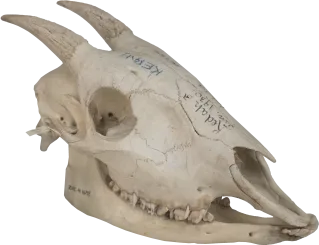
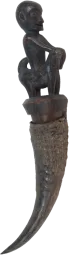
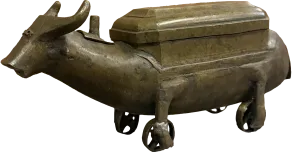
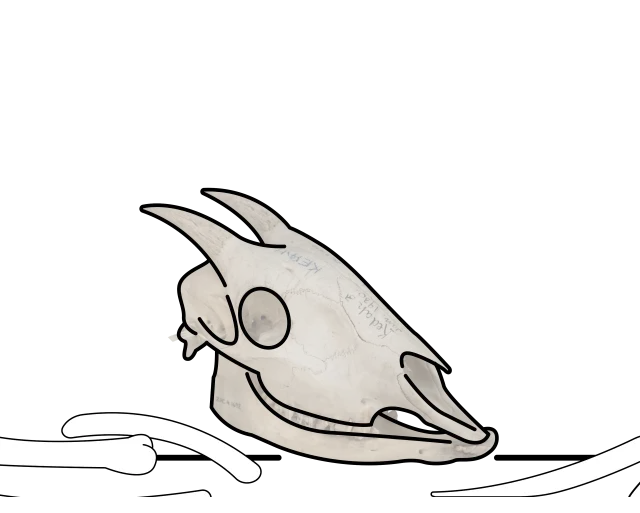
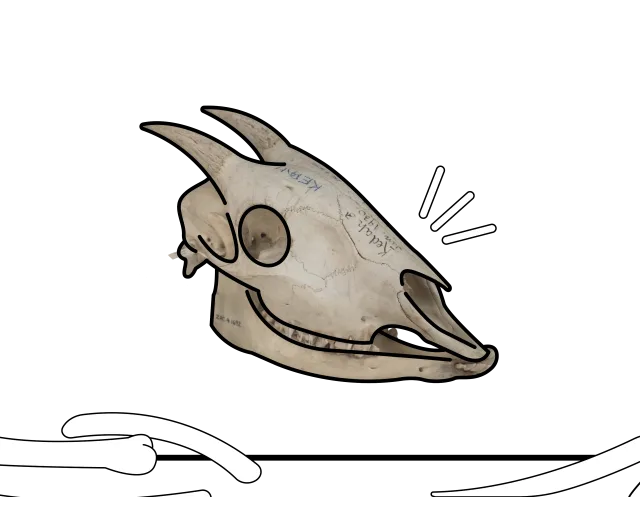
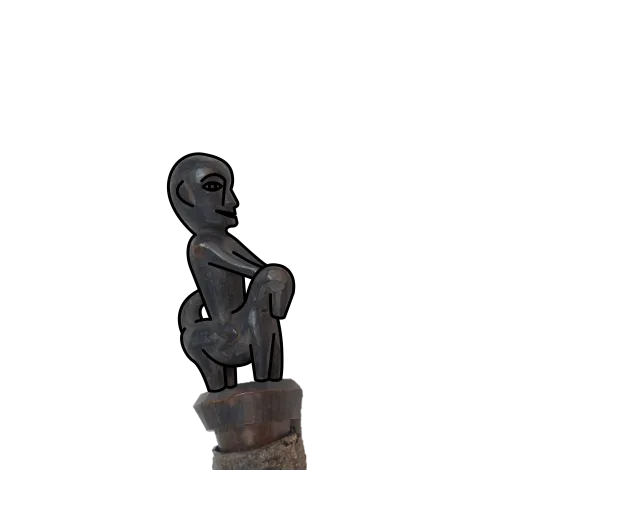
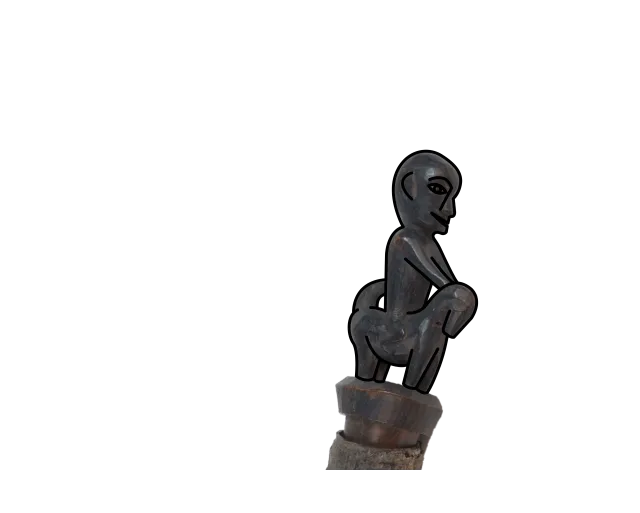
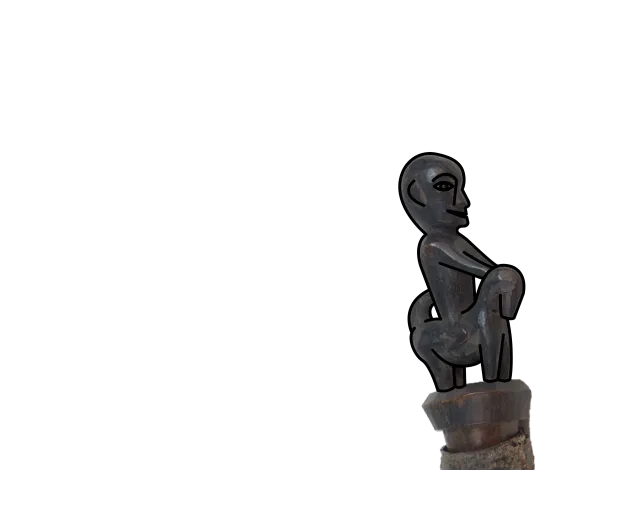
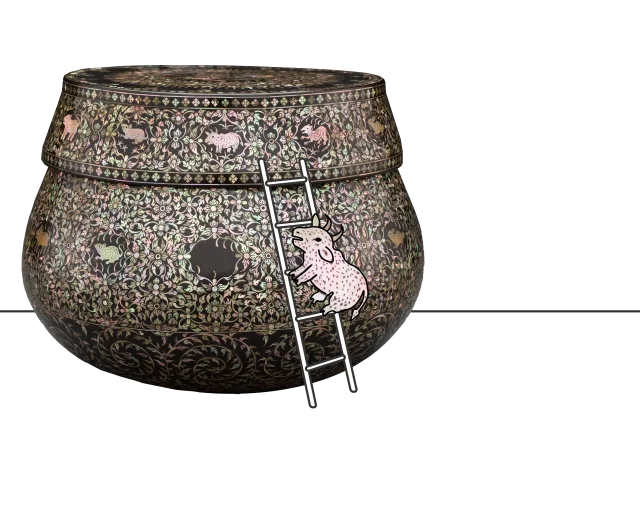
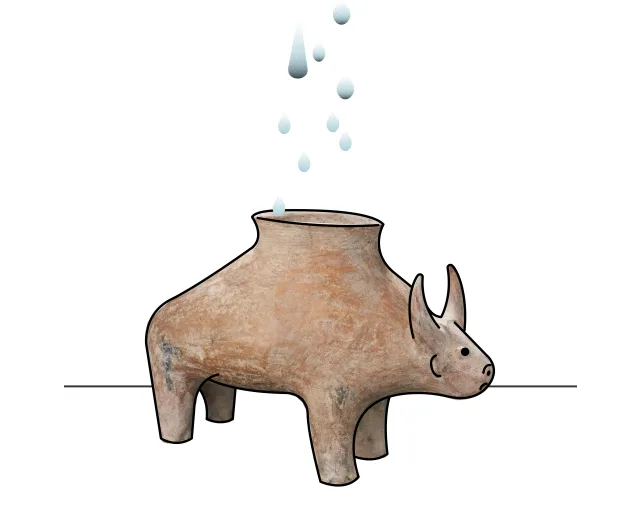
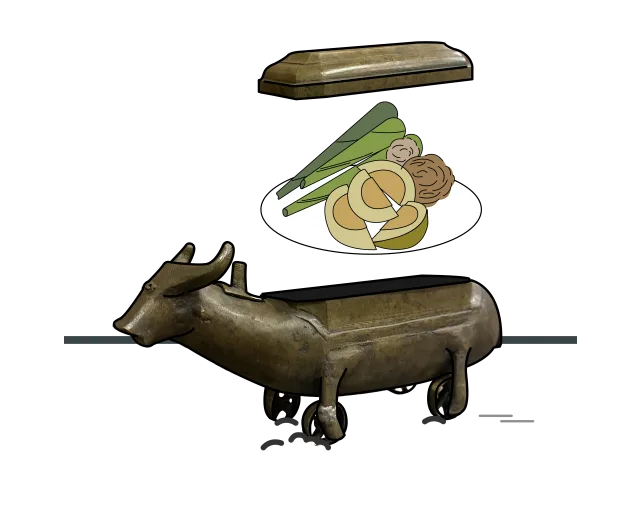
The objects in this trail reveal how communities incorporated the buffalo into everyday life, ritual and artistic practice. In Malay material culture, a buffalo-shaped calapa (betel-nut container) brings the animal's associations with patience and abundance into the practice of hospitality. Among prehistoric communities of the region a vessel in the form of a buffalo linked the animal’s strength and agricultural value to a symbol of wealth.
Across mainland and island Southeast Asia, communities have understood the attributes of the buffalo in different ways while consistently recognizing its importance in daily life, ritual practice and artistic expression. Together, these objects show how shared heritage is created through relationships between people, animals, materials and beliefs. The water buffalo continues to connect these histories across Southeast Asia.