
Deer timeline


















Reflection
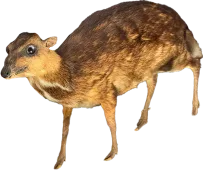
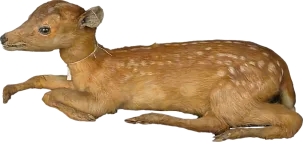
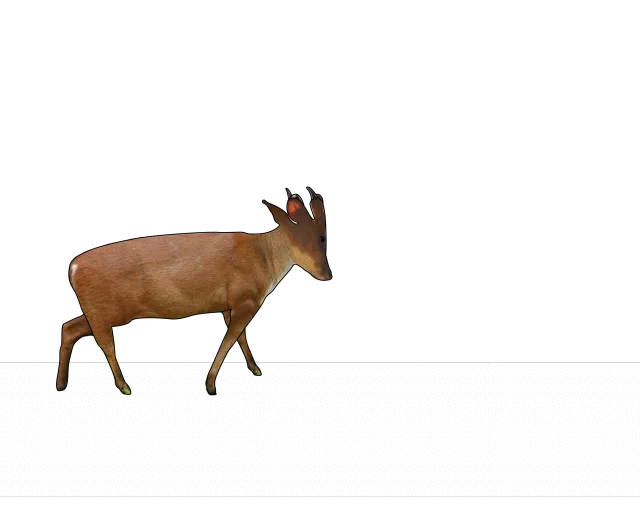
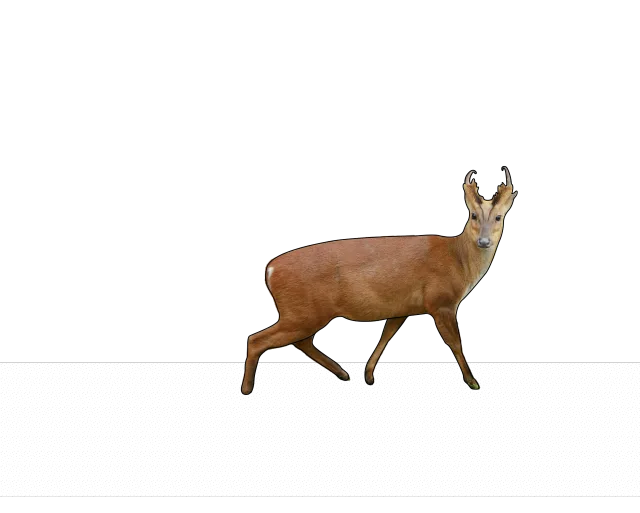
Deer have inhabited Southeast Asia's forests and woodlands for millennia. Species such as sambar deer, Javan deer, Philippine deer, Visayan Spotted Deer and muntjacs play important ecological roles as seed dispersers and prey. Deer historically formed part of the everyday life of the communities living alongside them through their roles in forest services, subsistence and exchange, and these communities came to admire their grace, speed and vigilance.
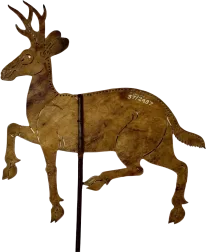
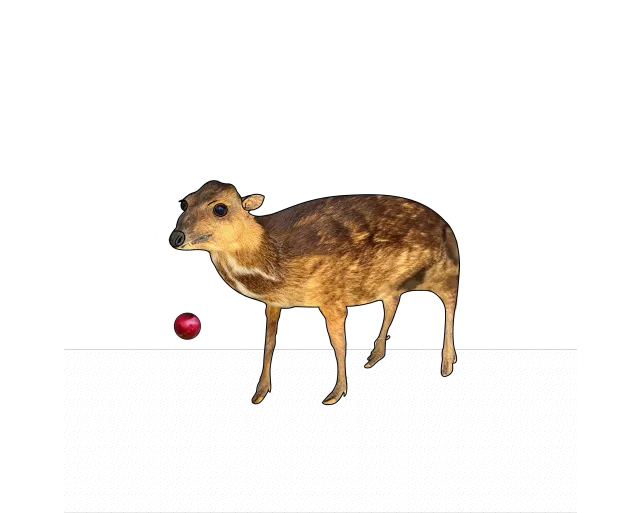
These long relationships gave rise to various tales and diverse cultural traditions. In the Ramayana, Marica disguises himself as a deer of rare beauty to lure Sita into the forest, a story that continues to live through dance drama and puppetry across Southeast Asia. In Buddhist tradition, the Deer Park at Sarnath, where the Buddha delivered his first sermon, became a symbol of peace and learning. As the site of the beginning of Buddhist teaching, it appears in art and architecture from India to Borobudur. Across the Malay world, the mouse-deer — napuh, kancil or pelanduk in Malay — became a clever trickster whose wit triumphs over strength. These traditions connect with wider animal fables that were prevalent across Asia and were reinterpreted by communities throughout Southeast Asia.
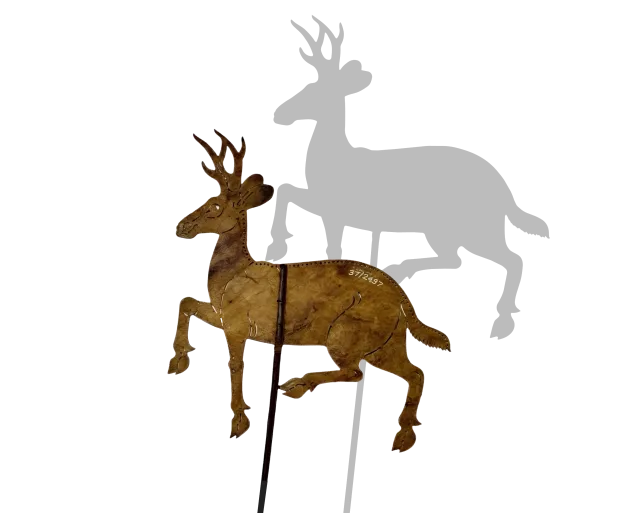
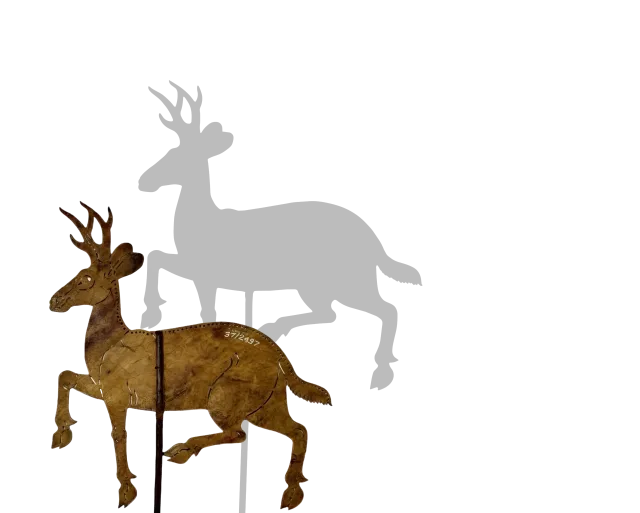
The objects in this trail reveal how communities incorporated the deer into artistic, ceremonial and material life. In Kelantanese Malay tradition, the Kijang was admired for its grace, agility and vigilance, qualities associated with leadership and community life. The Kijang motif on coins exchanged between Kelantan and Pattani reflected shared cultural associations.
Together, these objects show how communities across mainland and island Southeast Asia represented the deer as interpreted through their own beliefs, artistic traditions and everyday practices. Rooted in shared forest environments, the deer continues to connect ecosystems, storytelling and community across Southeast Asia today.