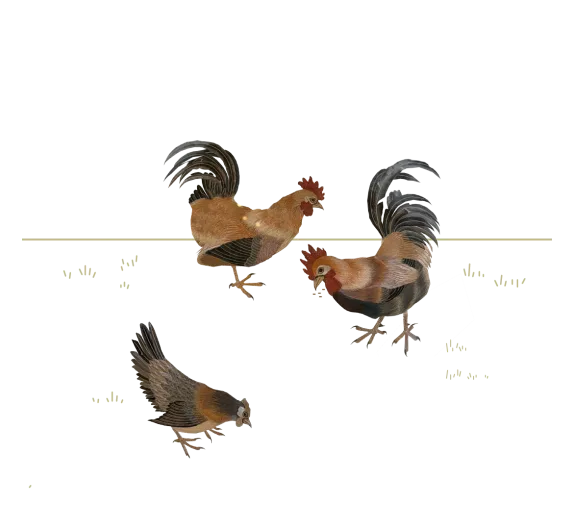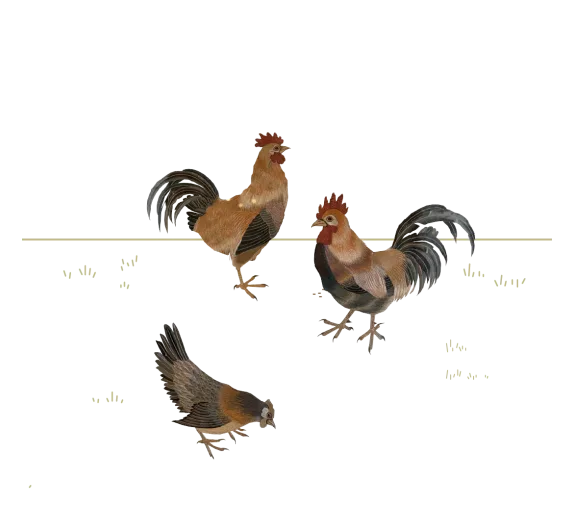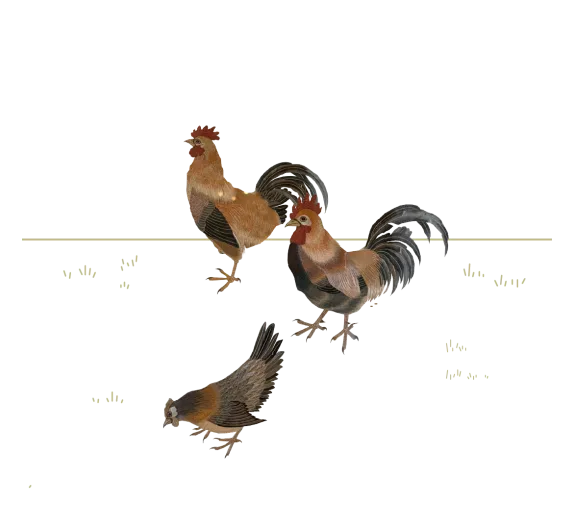




Rooster timeline
-
-
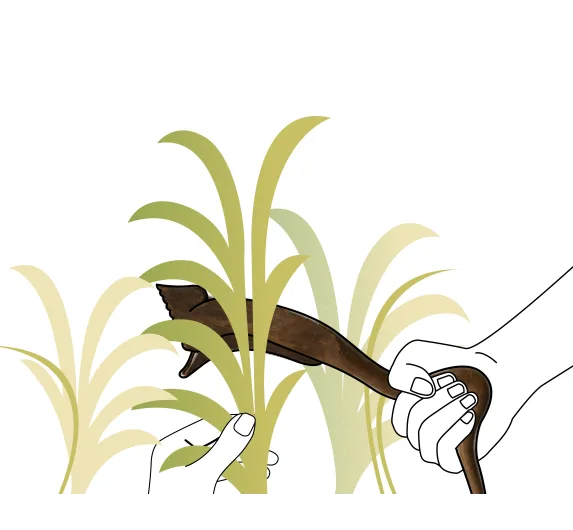
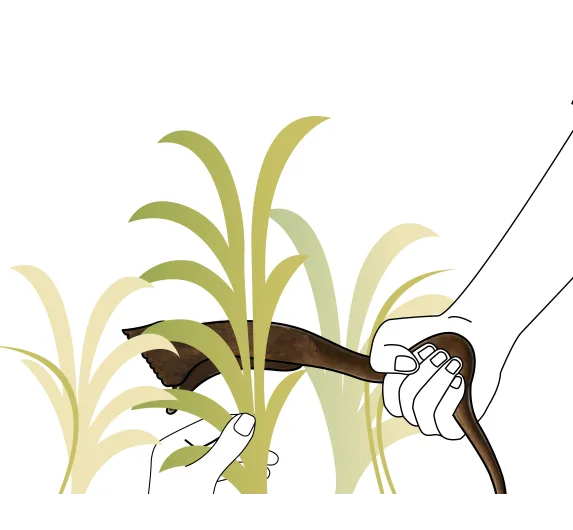
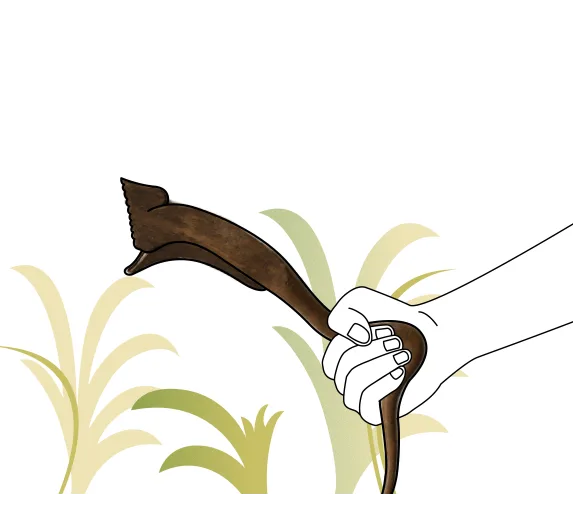
Krutor Trut (Eel-Tail Finger Sickle)
-
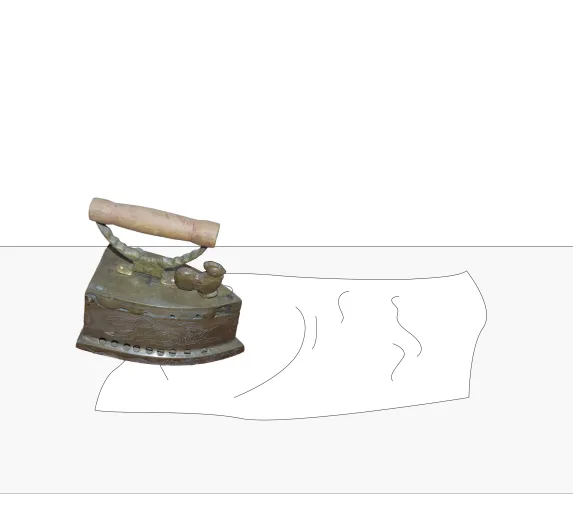
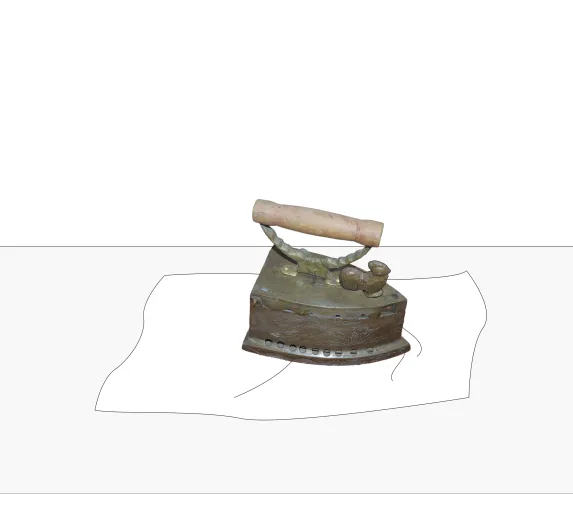
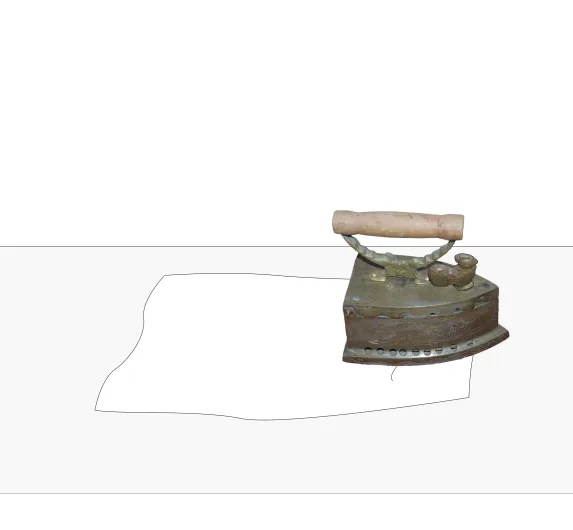
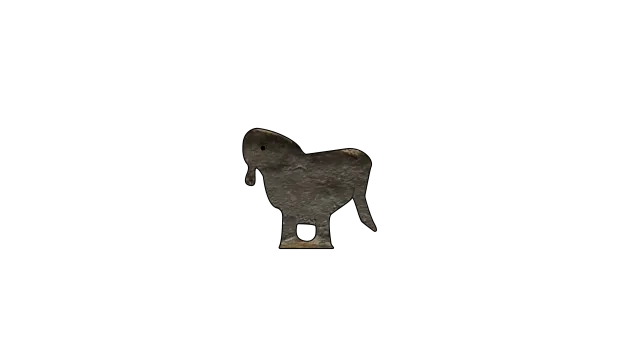
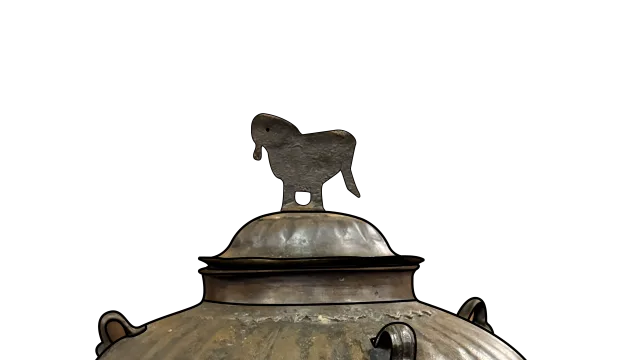
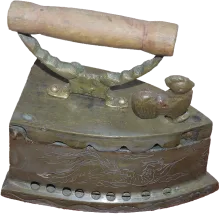
Rooster-Headed Brass Charcoal Iron adorned with Dragon and Phoenix Reliefs
-
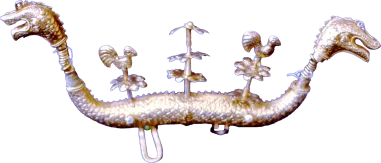
-
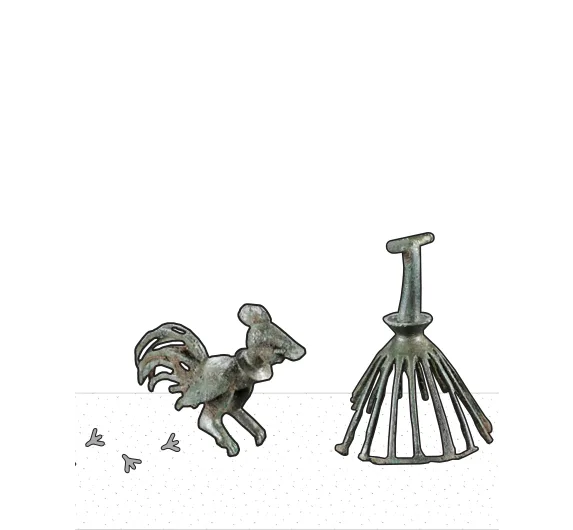
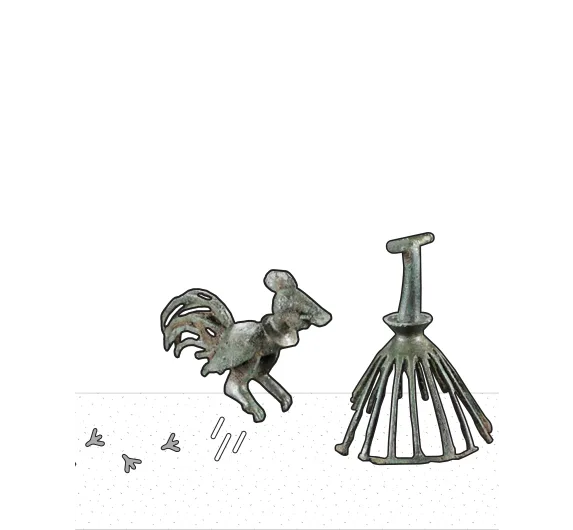
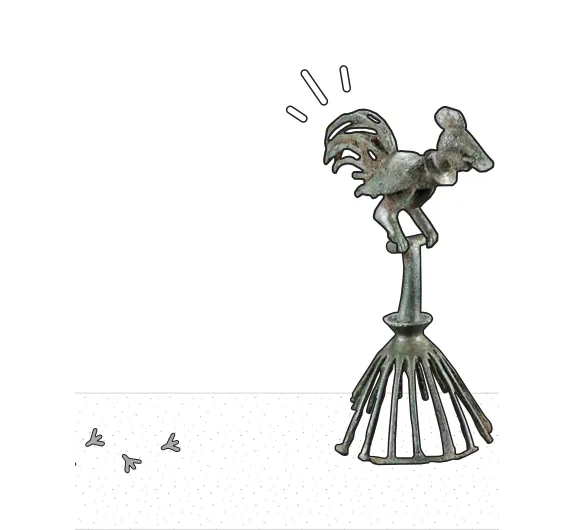
Bronze Cock Standing on the Coop
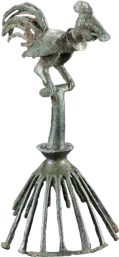
-
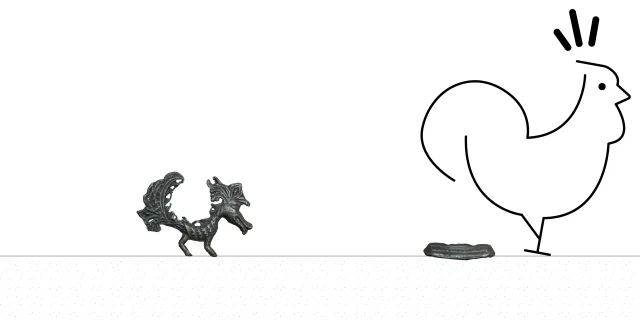
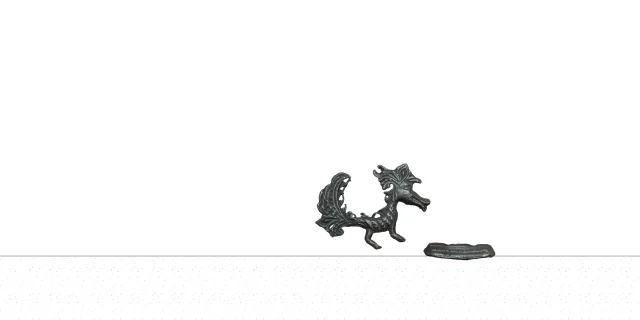
Tin Ingots in the Shape of Chicken
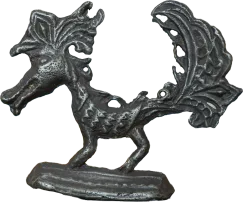
-
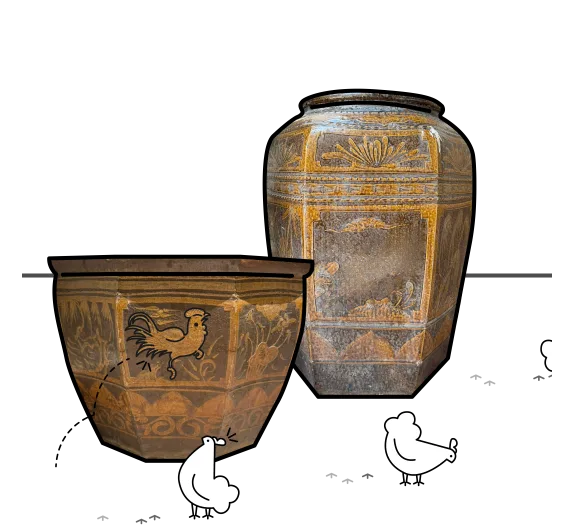
Tempayan, Large Earthen Storage Jars
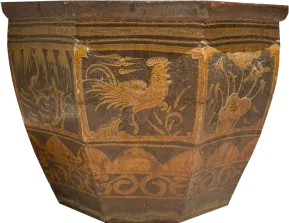
-
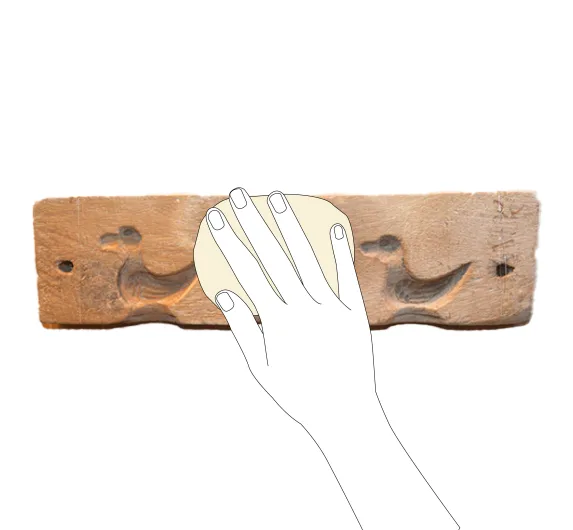
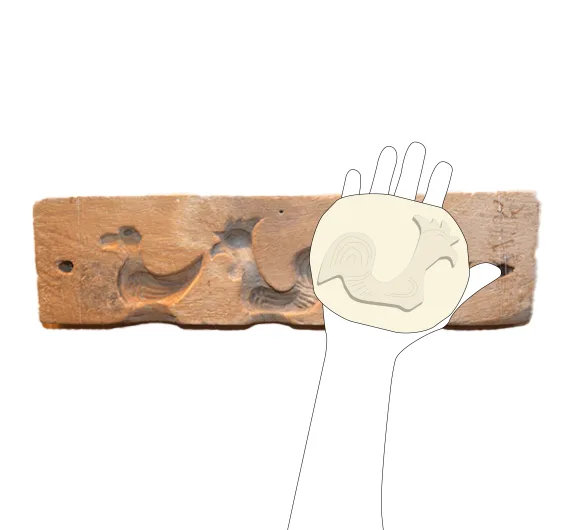
Wooden Cold-Press Cake Molds with Elephant, Horse, and Fowl Motifs
-
-
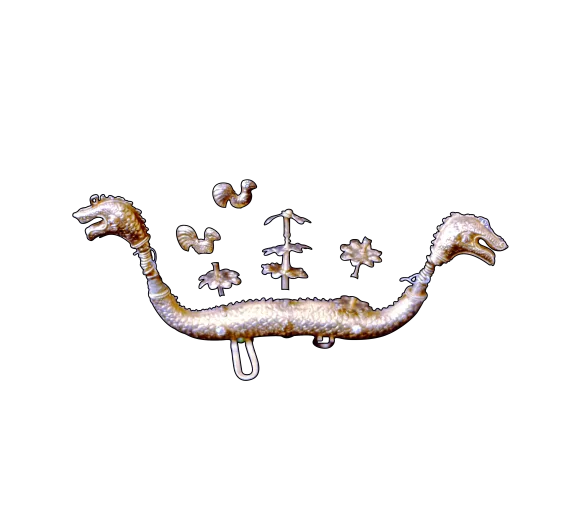
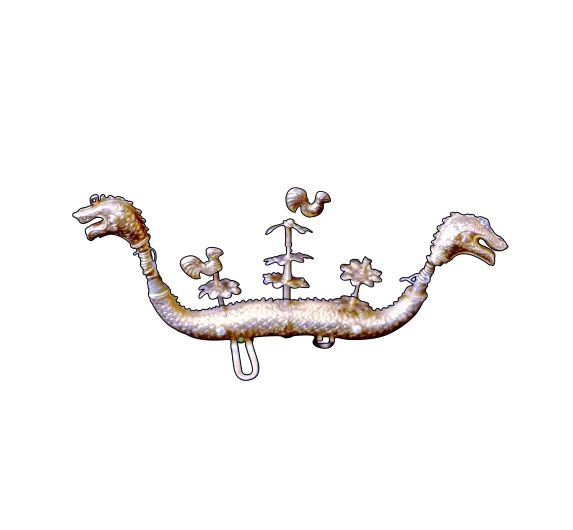
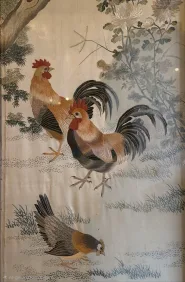
Pending (Traditional Belt Buckle)
-
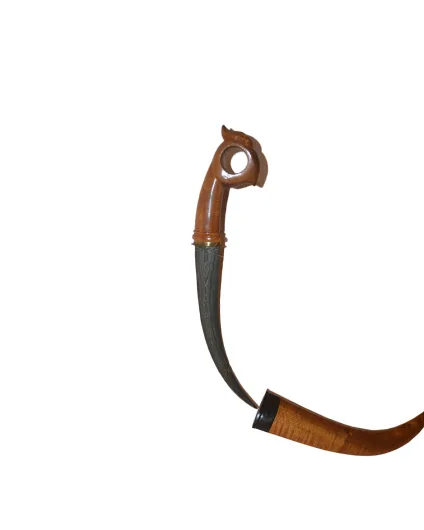
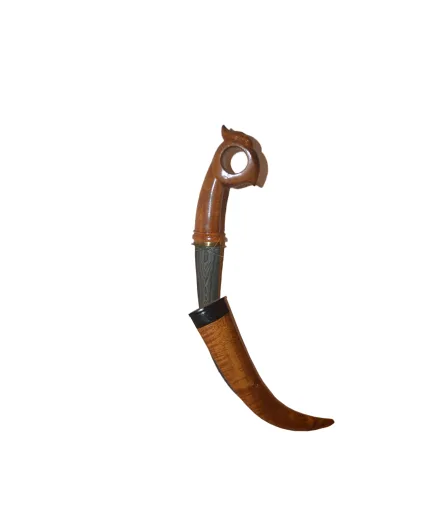
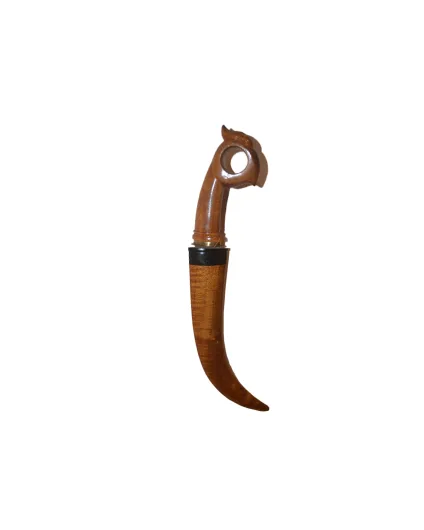
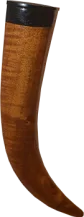
Lawi Ayam Cock-Feather Dagger (Southern Dagger / Cock-Spur Knife)

Section : Land
Domestic Chicken
Scientific Name / Taxonomy: Gallus gallus domesticus (Linnaeus, 1758); Galliformes: Phasianidae


Section : Cosmology Religion & Sprituality
Place of Production / Findspot: Tha Khae Sub-district, Tha Chang District, Surat Thani Province
Material: Hardwood (Mai Nuea Khaeng) and Forged Iron (Lo-ha Lek)
Dimensions: Blade (Forged Carbon Steel) — Length 16.5 cm, Width 1.9 cm. Handle (Indigenous Hardwood) — Length 64 cm. Handle Apex — carved to resemble a rooster's comb (Hngon Kai).
Collection: Folklore Museum, The Institute for Southern Thai Studies
Other Information / Object Biography: Donated by Mrs. Krip. Exhibited in the Knife and Weaponry Room (Hong Mit lae Satthrawut), Folklore Museum, Institute of Southern Thai Studies.


Section : Materials Science & Technology
Material: Cast heavy-gauge brass alloy and indigenous hardwood
Dimensions: Width 10 cm, Length 19.5 cm, Height 19.8 cm (Note: companion registry variants from Nakhon Si Thammarat record dimensions of 10 cm × 18 cm × 17.5 cm — preserved as given in source)
Collection: Folklore Museum, The Institute for Southern Thai Studies
Other Information / Object Biography: Sourced from the collection of Mrs. Chong Kaeotui, Ban Thale Noi, Pha Nang Thong Sub-district, Khuan Khanun District, Phatthalung Province. Data recorded on 9 January 1996. Exhibited in the Metalwork and Metallurgy Culture Room (Hong Watthanatham Khruang Lo-ha lae Lo-hat), Folklore Museum, Institute of Southern Thai Studies.


Section : Ceremonies Rituals & Festivals
Period: Late 18th – 19th century
Place of Production / Findspot: Kampong Ayer, Brunei Darussalam
Material: Gold-plated copper
Dimensions: Length 17.5 cm, Height 14 cm
Collection: Malay Technology Museum, Brunei Darussalam


Section : Ceremonies Rituals & Festivals
Period: Prehistoric, ca. 1,700–2,300 years ago
Place of Production / Findspot: Ban Ta Phed, Phanom Thuan District, Kanchanaburi Province, Thailand
Material: Bronze
Dimensions: Height 16 cm, Width 8 cm
Collection: National Museum Bangkok


Section : Trade and Maritime Navigation
Place of Production / Findspot: Perak, Malaysia
Material: Tin
Dimensions: Height 6.1 cm, Width 8.5 cm, Weight 0.070 gram
Collection: Department of Museums Malaysia
Other Information / Object Biography: Display at the National Museum, Kuala Lumpur


Section : Crafts of Everyday
Period: Late 18th to early 20th century
Place of Production / Findspot: Likely southern China or Southeast Asia
Material: Clay
Dimensions: Height 75 cm, Diameter 57 cm
Collection: Baba & Nyonya Heritage Museum


Section : Crafts of Everyday
Place of Production / Findspot: Mueang Pattani District, Pattani Province
Material: Hardwood
Dimensions: Carved Wood (Elephant Motif) — Width 7 cm, Length 26 cm, Thickness 2.5 cm. Carved Wood (Horse Motif) — Width 10.5 cm, Length 32.5 cm, Thickness 3 cm. Carved Wood (Twin Ducks & Single Chicken Motif) — Width 8.5 cm, Length 32 cm, Thickness 2.5 cm. Carved Wood (Combined Elephant & Horse Motif) — Width 9 cm, Length 35 cm, Thickness 2 cm.
Collection: Folklore Museum, The Institute for Southern Thai Studies
Other Information / Object Biography: Exhibited in the Arts and Crafts Room, Folklore Museum, Institute of Southern Thai Studies.


Section : Crafts of Everyday
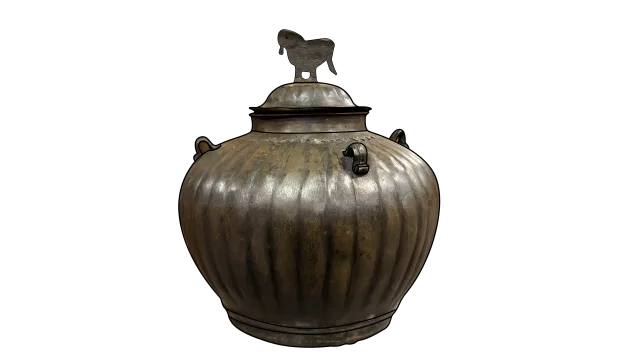
Period: Late 18th – 19th century
Place of Production / Findspot: Belait, Brunei Darussalam
Material: Copper / brass
Dimensions: Height 33.5 cm, Width 30 cm, Top Cover 13.5 cm
Collection: Malay Technology Museum, Brunei Darussalam


Section : Land
Domestic Chicken
Scientific Name / Taxonomy: Gallus gallus domesticus (Linnaeus, 1758); Galliformes: Phasianidae


Section : Ruiling Diplomacy & Defense
Place of Production / Findspot: Mueang Pattani District, Pattani Province
Material: Indigenous Hardwoods (Mai Nuea Khaeng), Composite Pattern-Welded Iron (Lek Nuea Prhasom), and Brass Alloy (Lo-ha Thong Luang)
Dimensions: Hilt — Made of Orange Jessamine Wood (Mai Kaeo Dee Pli), hand-carved into the form of a rooster's head, fitted with a brass ferrule collar (Pluok Rat) and brass hand-guard (Krong); Length 10.3 cm, Width 5.5 cm. Blade — Forged from composite pattern-welded iron (Lek Prhasom), creating a Mai Phok pattern, with a curved profile and tapered, sharp point; Length 19 cm, Base Width 2.5 cm. Sheath — Made of Hill Neem Wood (Mai Sadao Chang); the throat (Pak Fak) is inlaid with the dense heartwood of East Indian Ebony (Mai Sao Dam); Length 20.5 cm, Width 4 cm.
Collection: Folklore Museum, The Institute for Southern Thai Studies
Other Information / Object Biography: Hand-forged by Master Bladesmith Pichai Kaewkhao. Exhibited in the Knife and Weaponry Room (Hong Mit lae Satthrawut), Folklore Museum, Institute of Southern Thai Studies.
Reflection
Genetic and archaeological studies trace the domestic chicken's primary ancestor to the Southeast Asian red junglefowl (Gallus gallus spadiceus). Over millennia, junglefowl gradually became a permanent part of human settlements, transforming into chickens and merging with the daily rhythms of food production, farming and household life.
As one of Southeast Asia's oldest domesticated animals, chickens acquired rich cultural meanings and became part of ritual and ceremonial life across the region. Across Malay, Thai, Chinese, Peranakan, Hindu-Buddhist and Muslim traditions, the chicken is far more than a domestic animal; it has symbolic associations, embodying prosperity, fertility and renewal.
In mainland Southeast Asia, chickens appear in spirit-house offerings and practices connected with guardianship and the unseen world. The rooster’s crow heralds the beginning of a new day, linking it to ideas of time, order, renewal and protection. Roosters came to symbolize dawn, vigilance, courage and good fortune, while hens and chicks evoked nurture, continuity and household abundance.
Various cultures associate meanings with cockfighting. Among Iban communities of Sarawak, cockfighting (nyabong) is rooted in local mythology and ceremonial life, and sometimes a cockfight serves to resolve disputes. In Bali, the tabuh rah ceremony, a Hindu purification ritual, offers rooster blood to restore cosmic balance.
The objects in this trail reveal the many ways chickens appear in Southeast Asia's material culture as physical expressions of symbolic meanings. Roosters appear on zoomorphic tin ingots used in regional systems of exchange, ceremonial daggers such as the lawi ayam, rice-harvesting sickles and domestic and ceremonial vessels, including tempayan and sulang.